 Back
BackI’ve just returned from ten days in Pakistan. I took my daughter with me for the first time, combined family time with work, and spent time with clients and former clients who have become friends.
Technology makes it easier than ever to stay connected with video calls, but trust builds when people sit across a table from one another. The opportunity to travel, understand how business is conducted elsewhere and see how ideas move between cultures remains one of the great privileges of my work. Learning about high context and low context cultures is fascinating and you learn to be a bit of a cultural chameleon really and switch.
Its been a few months now learning to juggle being a BBC broadcaster and running a PR firm and it has been tough. I have huge respect for journalism and have, only through the show, realised the level of work and skill required to produce BBC shows.
When It Hits the Fan is taking its summer break and will return to BBC Radio 4 on 9 September. In the meantime, my brilliant co-host David Yelland remains characteristically sharp on X. He was the Editor of The Sun and the New York Post and now counsels on Comms. Do give him a follow @davidyelland.
The Town That Kept Its Name
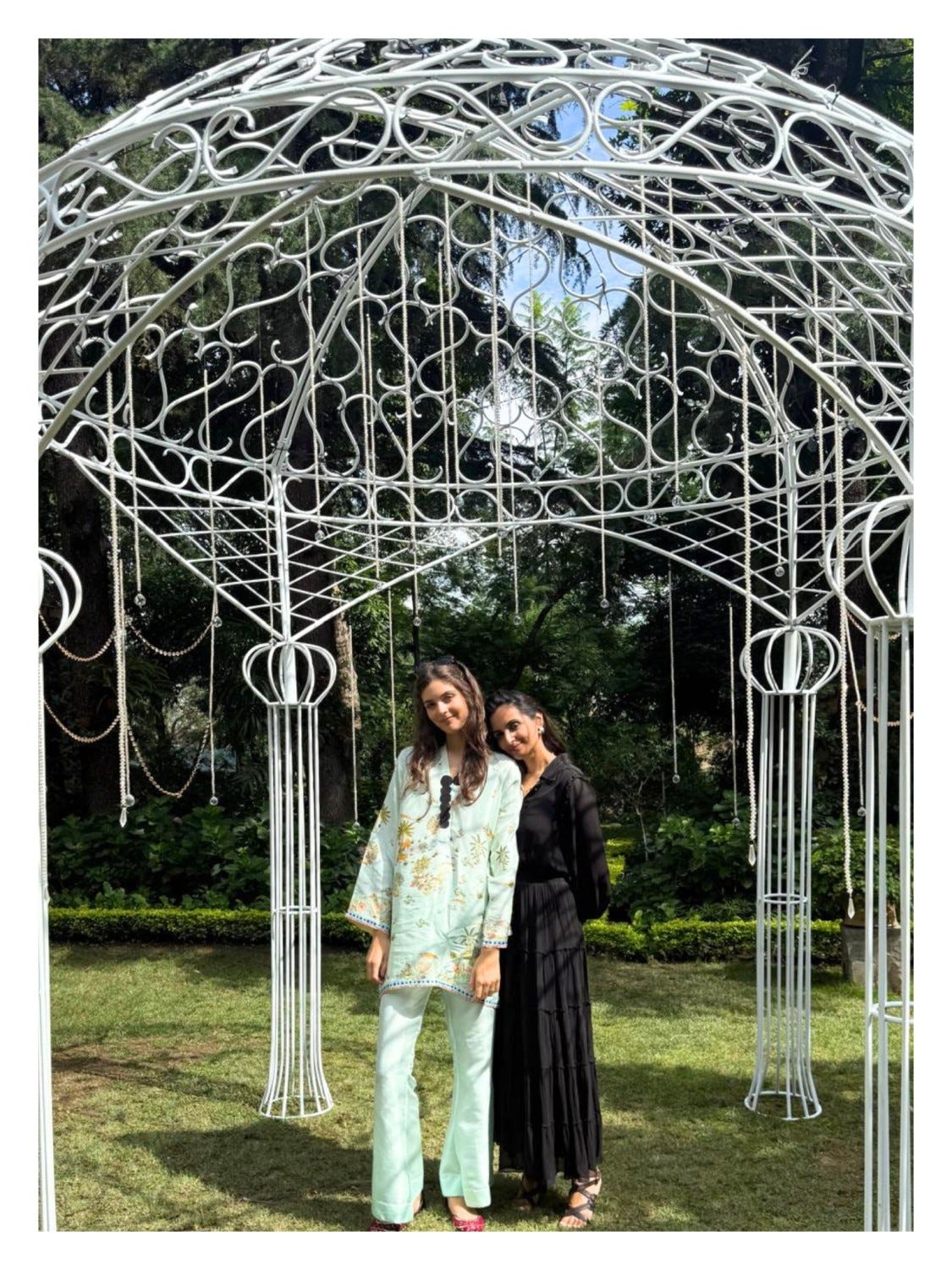
One of the unexpected pleasures of my visit to Pakistan was spending time in Abbottabad, a city founded in 1853 and named after Major James Abbott, a British officer whose name it still carries.
At a time when many places have reclaimed or changed colonial-era names, Abbottabad stands apart. More than 170 years later, its name remains.
By most accounts, Major Abbott earned considerable respect from the local community during his time there. Whether that fully explains the city’s enduring name, I cannot say.
It has now become famous as the location of the 2011 U.S. military raid that killed Osama Bin Laden but was once known as the City of Schools for its high literacy rate and large concentration of top-tier schools. The hills were so lush green, as I was driving there from Islamabad, it almost felt like they were vibrating.
The Journey of the Ghazal
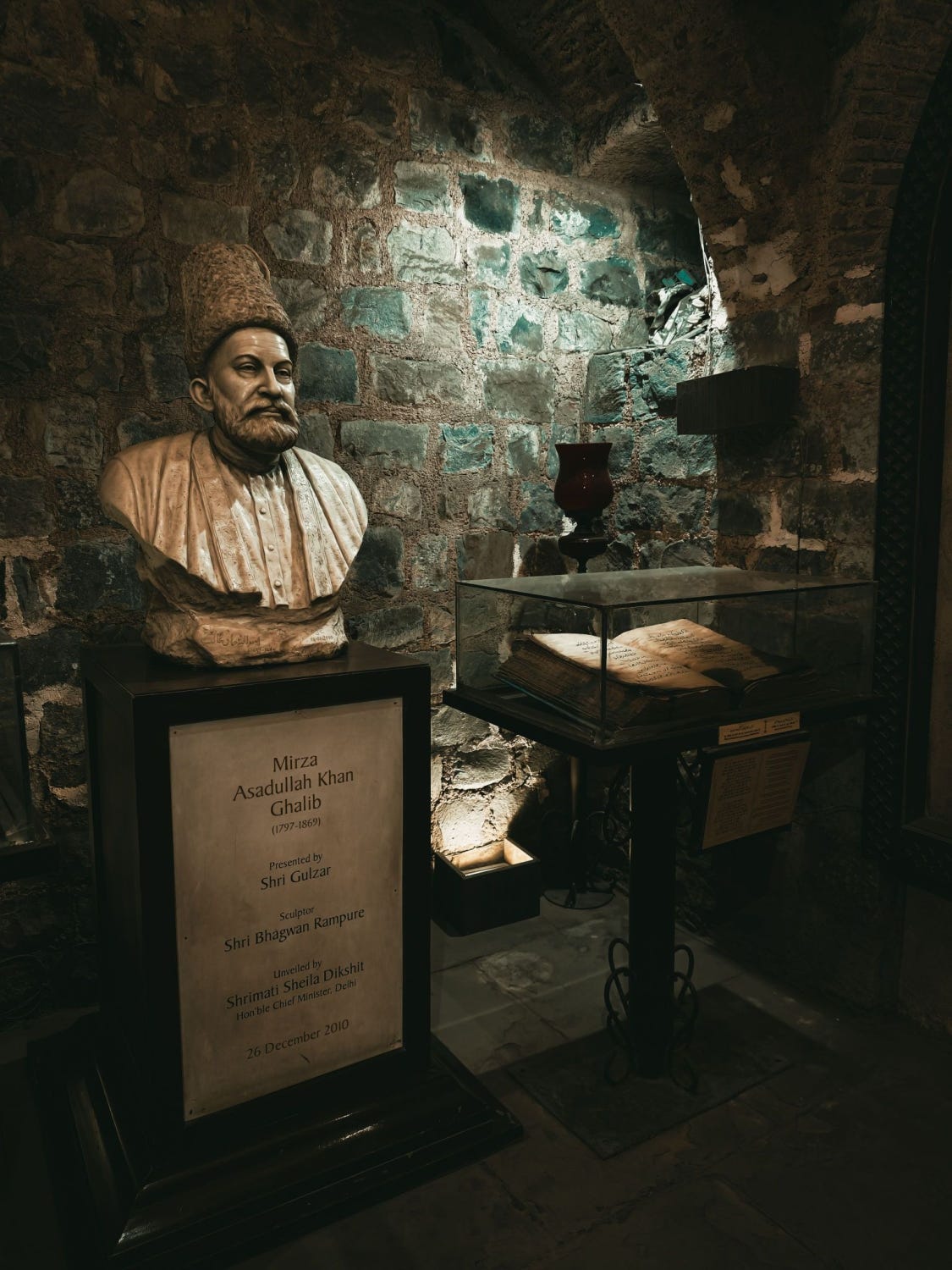
While catching up with one of Curzon PR former clients, Abbas Bilgrami in Pakistan, our conversation turned to the ghazal, a poetic form whose own history is a remarkable journey across cultures.
No figure is more closely associated with the ghazal than Mirza Ghalib, the nineteenth-century poet whose verses continue to shape Urdu literature and popular culture across South Asia.
Abbas also shared a story that stayed with me. Some traditions associate the ghazal with the cry of a gazelle separated from its young. Whether or not that is its true origin, the image beautifully captures the themes that have long defined the form: love, longing and separation.
A few days later, I hosted the second Baduel Brief in London with the human rights lawyer turned award-winning poet Mona Arshi, whose work includes contemporary English ghazals. I enjoyed seeing how a poetic form that began centuries ago in Arabic continues to evolve, finding new voices while remaining true to its essence.
From Human Rights Law to Poetry
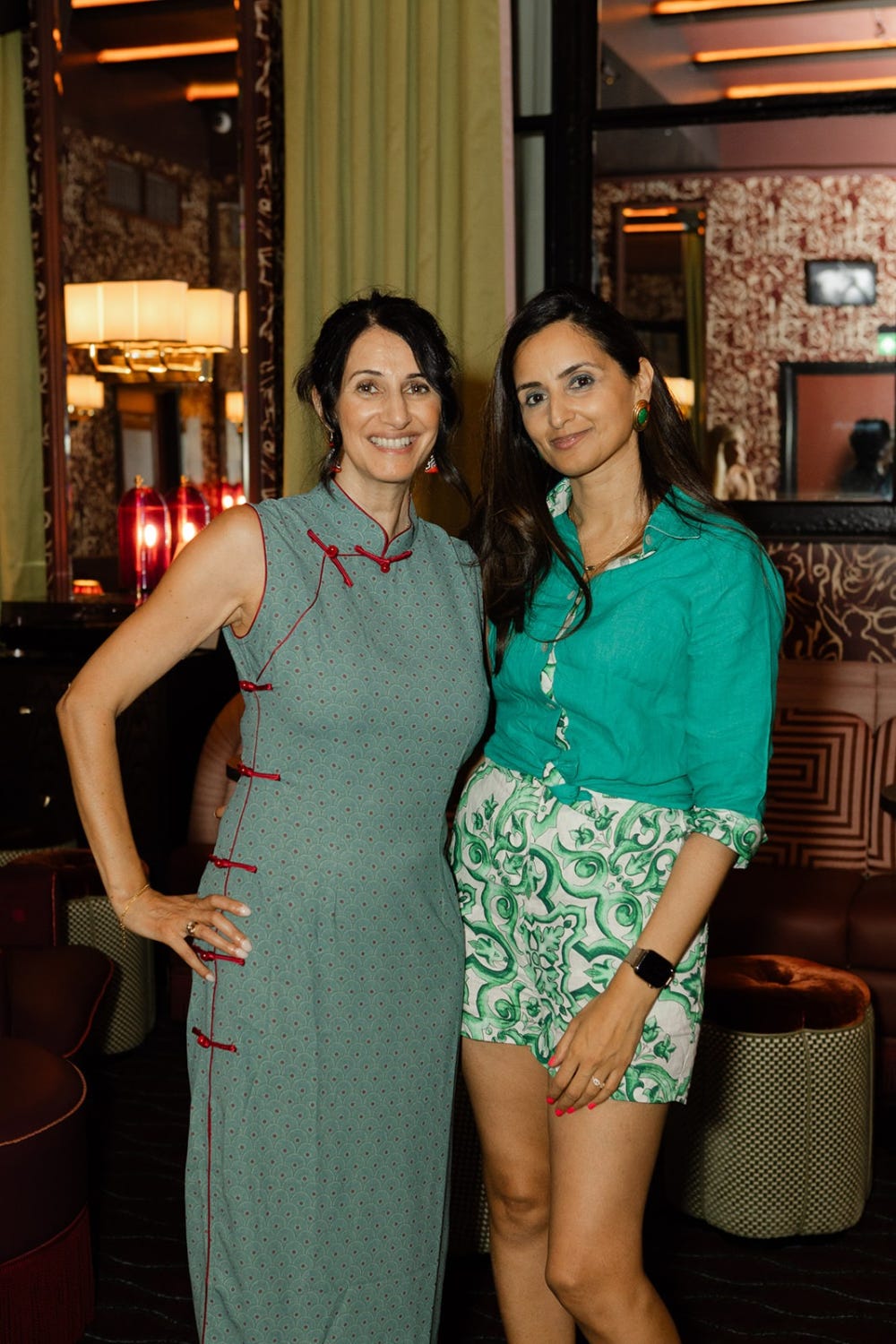
One of the things I most enjoyed about hosting Mona Arshi at the latest Baduel Brief was hearing how she moved from a career in human rights law into poetry.
Before becoming an award-winning poet, Mona spent more than a decade representing refugees and women fleeing violence. It is difficult to imagine two professions that depend so heavily on language, yet ask it to do such different things.
Law presses language towards certainty. Poetry allows it to remain open, inviting readers to find meaning for themselves.
Listening to Mona, I was reminded that words are among the most versatile tools we have. Sometimes they persuade. Sometimes they protect and sometimes they hurt. And sometimes they simply help us see the world differently. She discussed the importance of humanities and how as a society we need poetry as it cultivates empathy. In these polarised times, poetry builds compassion, a little like going to the gym, empathy is a muscle that needs attention and cultivation. I recommend her debut book: Small Hands. You can find it on Amazon via the link below.
Beyond the Soundbite
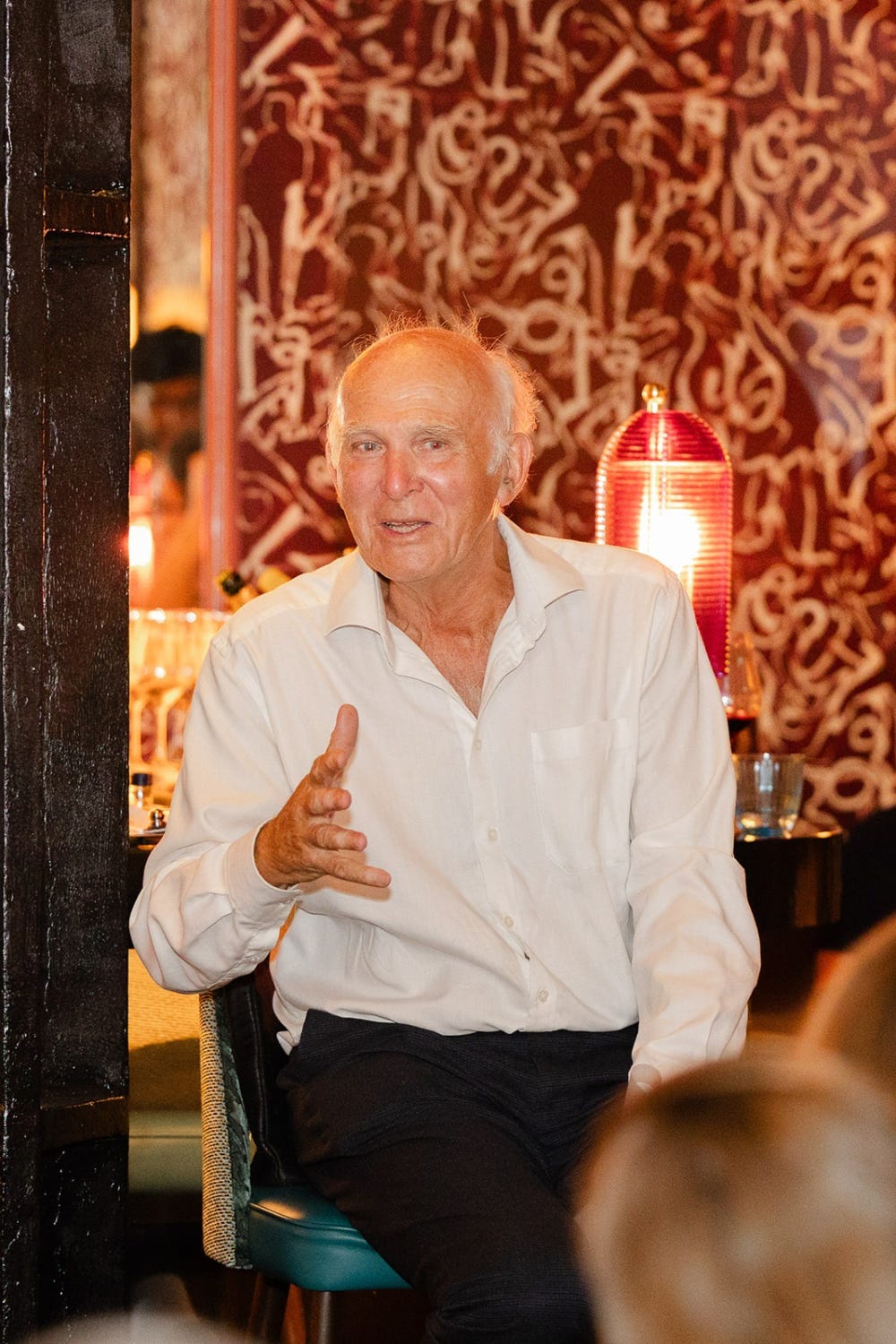
One of the highlights of the latest Baduel Brief was Rt Hon Sir Vince Cable‘s keynote. As always, he brought a depth of thought that challenged the room to look beyond the obvious, offering a nuanced reflection on politics, public discourse and the way ideas are communicated.
Political speeches have always produced memorable lines. The difference today is that many people experience a speech only through a short clip on social media, often stripped of the argument and context that gave it meaning.
That changes more than the way politicians communicate. It changes the way ideas are understood. A phrase that was intended to support a wider argument can quickly become the argument itself.
It made me wonder whether the greatest challenge today isn’t writing a memorable speech, but ensuring its meaning survives once it begins its journey beyond the podium.
His latest book is Eclipsing the West: China, India and the forging of a new world. You can find it on Amazon via the link below.
A huge thank you to the Baduel Brief’s hospitality partners, Rishini Weeraratne and Kitty Gilbert of Pepperbird at Pillar Hall (D3 Collective), and to Château D’Esclans / Whispering Angel, part of the LVMH portfolio, for their continued support.
Newsletters Worth Opening

The summer break has also given me the chance to catch up on some of the PR LinkedIn newsletters I always enjoy reading. Thank you for subscribing to my newsletter, we have almost hit 3000 subscribers and I say ‘we’ as I ramble ideas on my daily calls and David Olajide and Solomon Ibeh help me draft the newsletter, so it’s very much a team effort.
Philippe Borremans recently published an excellent piece on crisis communications, arguing that organisations often focus on what they want to say rather than what audiences need to hear. It’s a thoughtful reminder that effective communication begins with the audience.
I’m also a regular reader of Stephen Waddington‘s Management and Public Relations, which consistently combines research with practical thinking about our profession. David Gallagher‘s Field Notes moves effortlessly between communications and personal observation, while Andy West’s The Agency Advisory is full of useful insights for anyone leading or growing an agency and Arun Sudhaman‘s Earned First newsletter is dedicated to elevating public relations and communications professionals across Asia-Pacific, the Middle East, and Africa.
I’d love to hear your recommendations too. If there’s a newsletter you never miss, please do share it in the comments.
PR Has Talent

Since announcing PR Has Talent with Graham Goodkind, it has been a real pleasure to see the variety of people with incredible talent getting in touch.
We’ve heard from singers, musicians, poets, comedians and performers, many of whom colleagues have never seen outside their professional roles.
We have a date booked for November now, so super excited. Will share in coming weeks and the best part is raising money for charity, to support new writing.
It is the first show I am producing so it is daunting but we have an amazing production team in Lee Griffiths, David Olajide and Solomon Ibeh and I can’t wait to see us take to the stage at Soho Theatre.
If you’ve been thinking about performing, we’d love to hear from you. Email ThePRoducers@PRHasTalent.co.uk.
Until next week,
Originally featured in Substack