CIPR Presidency Diary

The President's Year

Highlights from my year as CIPR President

The CIPR presidency is a three-year commitment. It begins with a year as President-Elect and continues through the presidential year, followed by a final year as Past President.

During my President-Elect year, and again this year as President, I have dedicated around one day each week to the role. Alongside running Curzon PR, that has often meant working six days a week.

This diary records some of the most significant moments of my presidential year so far. Each month has a principal story, accompanied by other work that formed part of the presidency. Some of it has been highly visible. Much of it has involved governance, member engagement, professional advocacy and the quieter work of strengthening relationships across the Institute and beyond it.

Farzana Baduel, CIPR President

The CIPR’s 2026 annual plan is organised around four pillars:

  • Chartership & Lifelong Learning
  • Leading Practice Development
  • Making the Case for PR
  • Building a Diverse & Collaborative Community

My presidential manifesto was designed to work within that wider strategy while placing particular emphasis on areas where I believed the presidency could add value. These included accelerating professionalisation through CPD, accreditation and Chartership; supporting ethical, effective and human-centred adoption of AI; and strengthening international alliances and knowledge-sharing.

Across the year, I have tried to connect those priorities with a wider ambition to ensure the CIPR continues to serve its members effectively.

January

Giving Council a stronger role #

Starting the year with a practical plan for member expertise

By ·

I began the year thinking carefully about how the expertise within the CIPR could be put to greater use.

At the January induction meeting, I set out an approach for Council members to contribute through working groups linked to the CIPR’s strategic priorities. The intention was to create a clearer route for their insight to inform the Board and executive team. It was an important starting point for the year and for the way I wanted to approach the presidency.

I began communicating directly with members about the year ahead, including through the CIPR Volunteer Welcome session and the new CIPR: 1 Minute format. The latter developed into a regular way of sharing Institute news, opportunities and issues affecting the profession.

Watch the very first 1-Minute update: youtu.be/Rj81w1iGn4k

I also spoke at the CIPR Not-for-Profit group’s CPD Hacks event about the importance of continuous professional development and making learning a sustained professional habit.

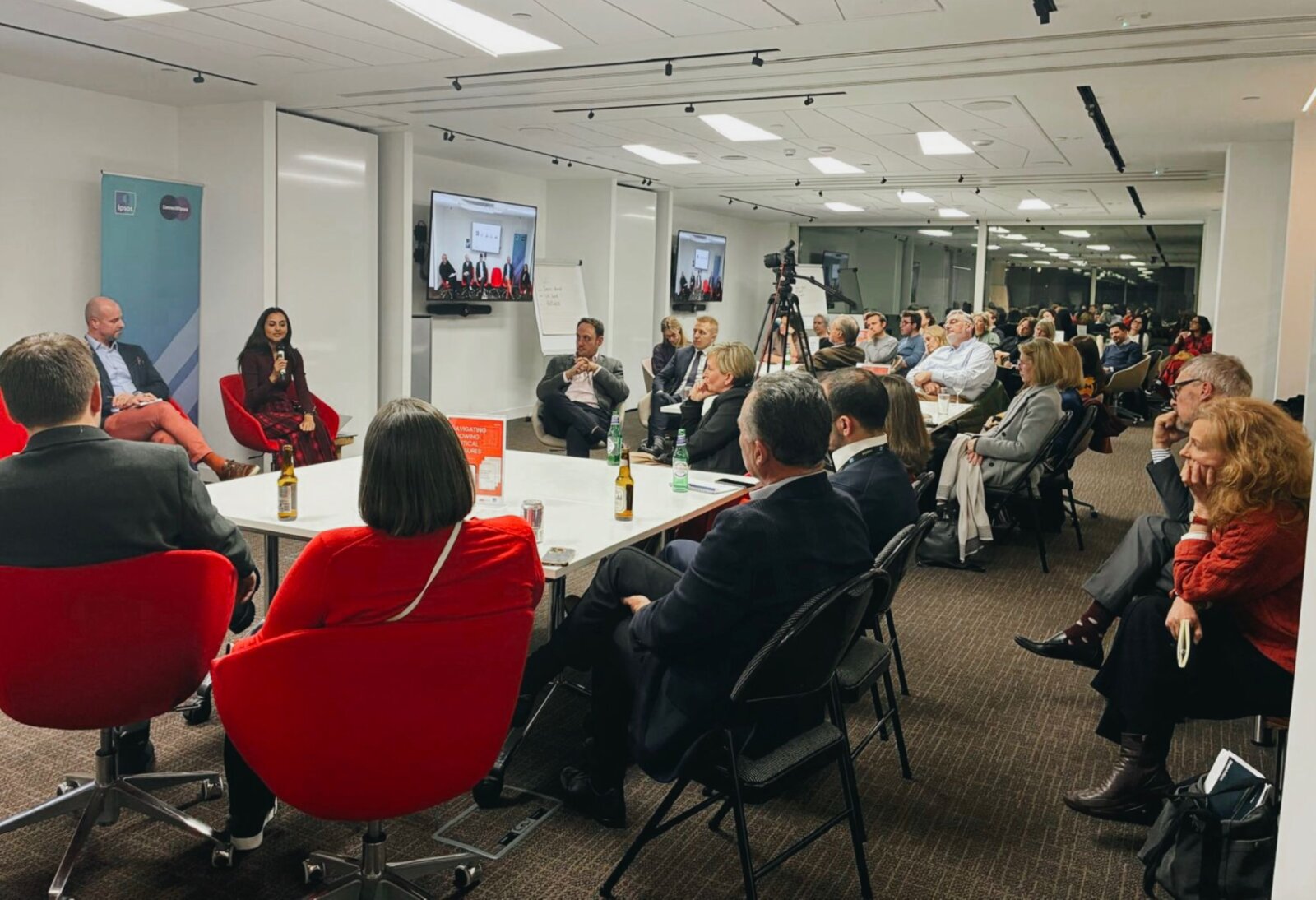
On 28 January, I represented the CIPR at the launch of the Business & Democracy Commission report Navigating Growing Political Pressures, held at Ipsos in London and supported by Jericho Chambers, Ipsos and the CIPR. The report explored the growing political pressures facing business, from disinformation and values conflicts to lobbying scrutiny, and the implications these have for trust, legitimacy and long-term organisational resilience.

For me, the discussion was an important example of where public relations belongs: close to the strategic decisions organisations make about reputation, public trust and their relationship with society.

February

Meeting the next generation #

Spending time with future PR practitioners at London College of Communication

By ·

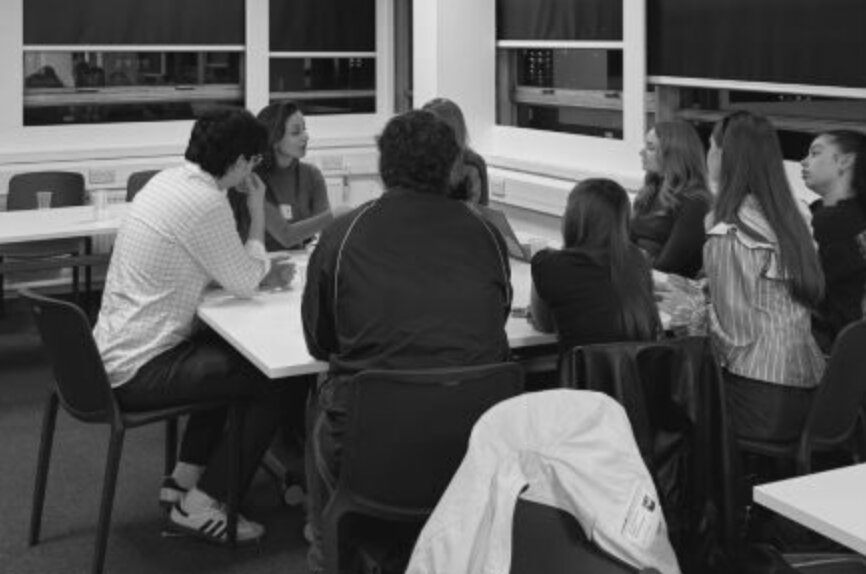
In February, I joined final-year students at London College of Communication for its PR Industry Networking Event.

Students shared their portfolios with practitioners and spoke openly about entering the profession. I enjoyed hearing what matters to them and discussing the realities of a career in communications at a time when the industry is changing quickly.

Representing the CIPR in universities has been one of the parts of the presidency I have most enjoyed. These conversations are an opportunity to explain the value of professional standards and lifelong learning, while also listening to the expectations of those preparing to enter the industry.

I also contributed to Crisis Communications for Boards, an initiative involving the CIPR Crisis Communications Network and the Institute of Directors. My contribution focused on horizon scanning and the role it plays in risk mitigation and crisis preparedness.

That work connected closely with one of the wider themes of my presidency: strengthening recognition of communications as a management discipline with a legitimate place in board-level discussions about risk, reputation and organisational resilience.

March

Taking the Board to Cardiff #

The work of governance beyond London

By ·

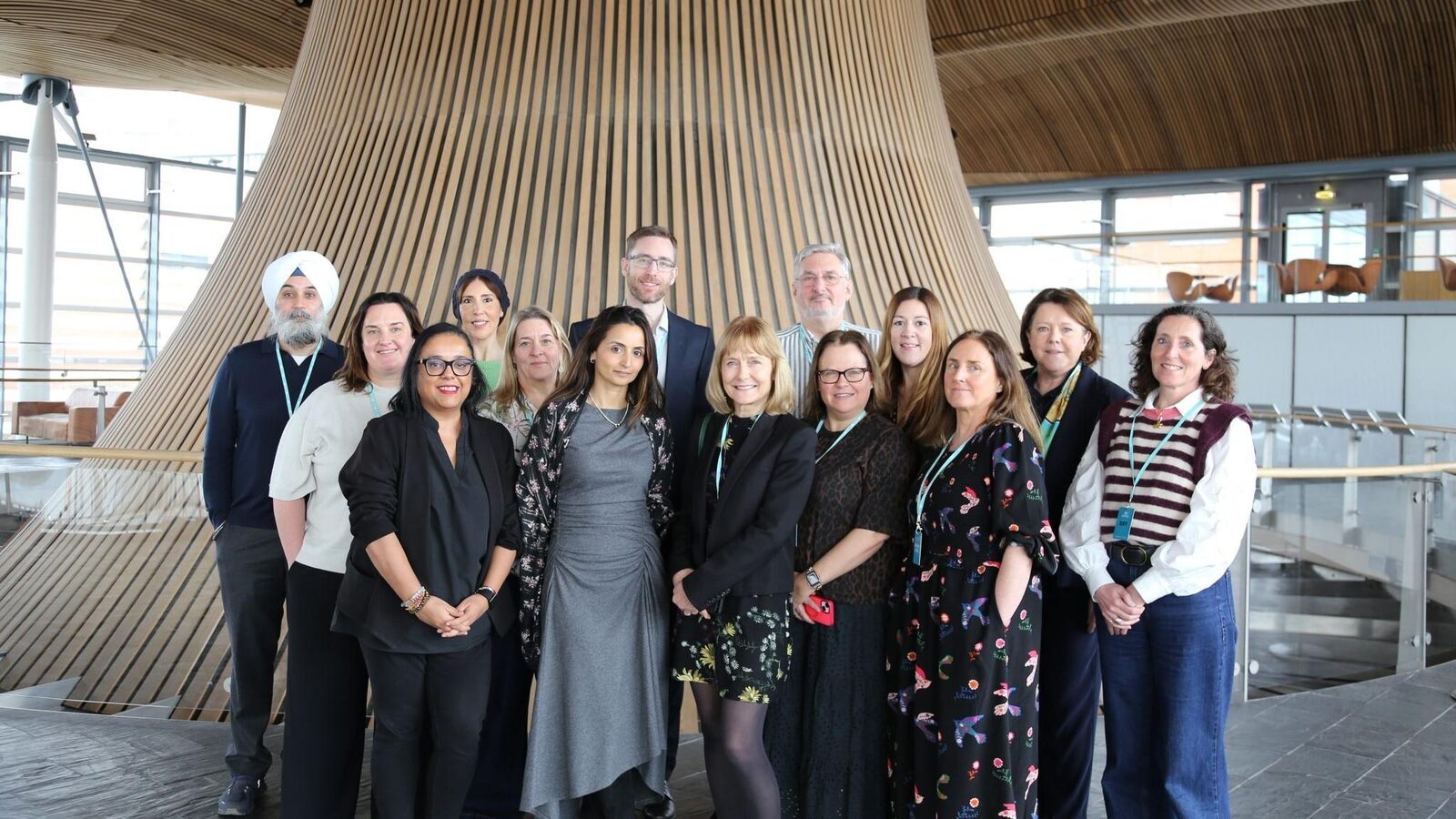
On 5 March, I travelled to Cardiff for a CIPR Board meeting.

Board meetings are an important part of the President’s role, even if much of that work is less visible publicly. They are where we spend time on the organisation itself and the decisions that will shape its future.

I was also pleased to be doing that work outside London. The CIPR represents a profession that reaches across the UK, and its leadership should reflect that.

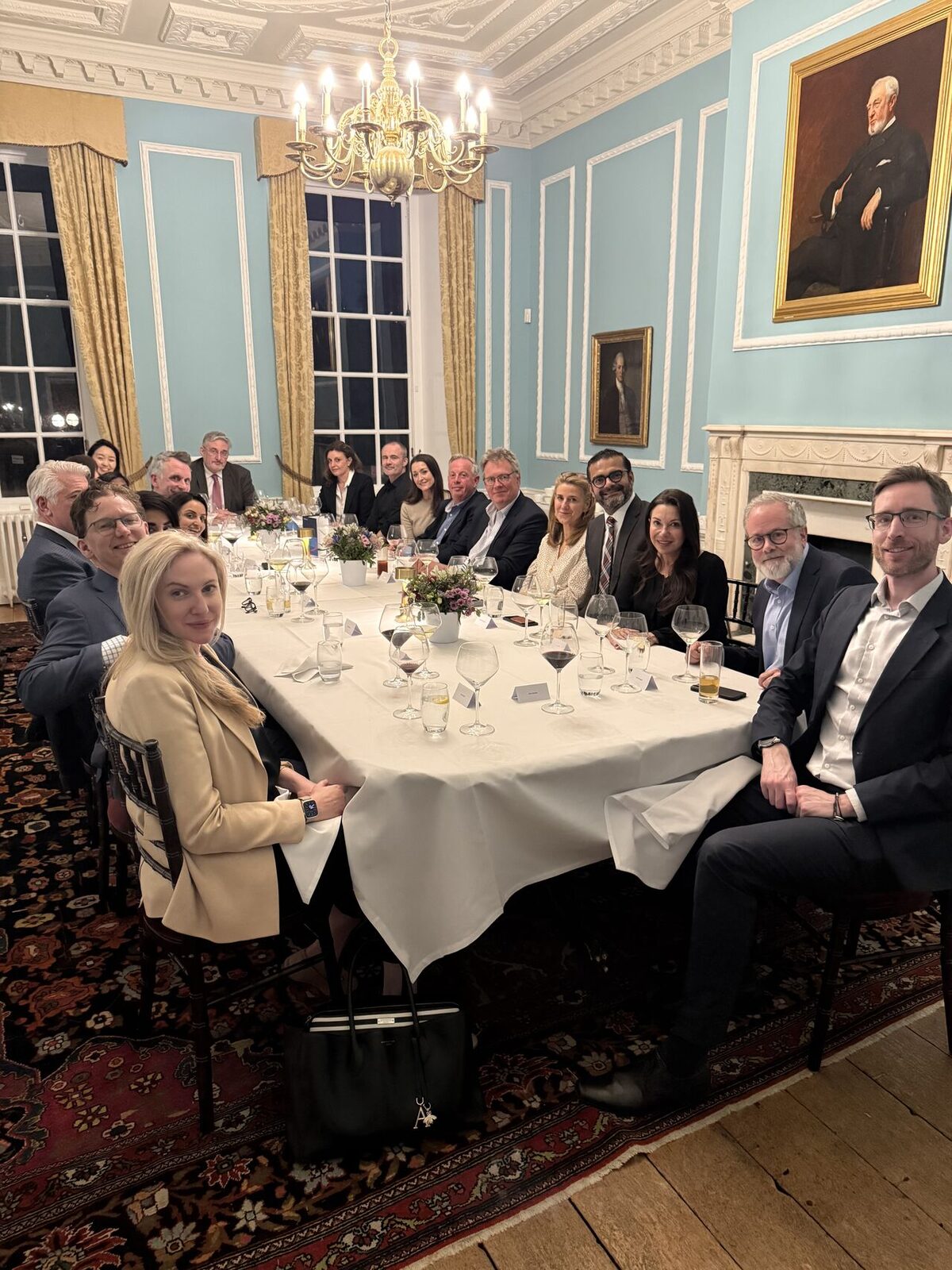
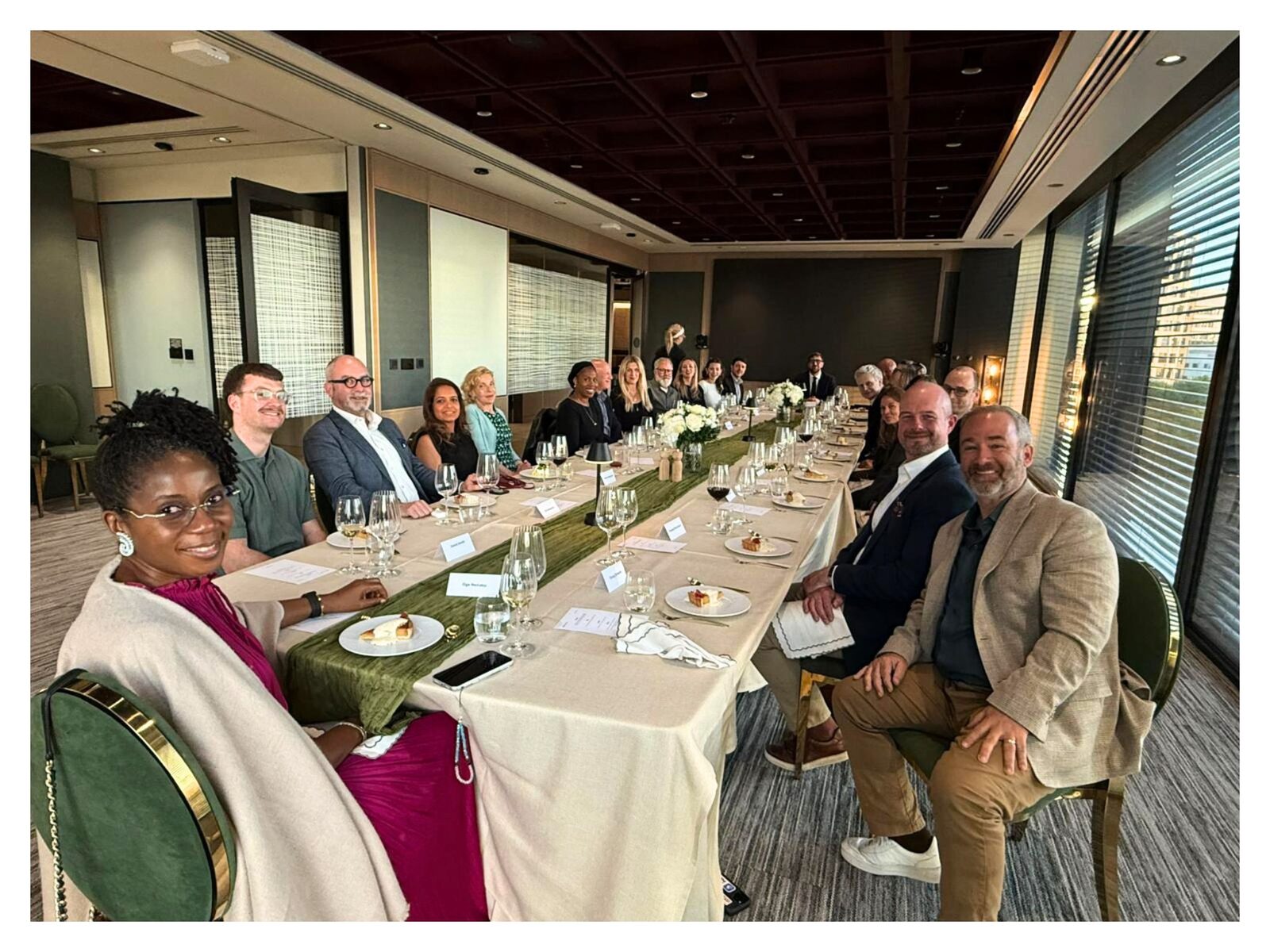
In March, I co-hosted the CIPR Executive Dinner Series: Geopolitics, hosted with Farrer & Co, bringing together senior figures from communications, business and related professions.

The conversation explored the reputational implications of a changing geopolitical environment, including the effects of political instability, economic pressure and global uncertainty on organisations. These smaller senior-level gatherings create space for deeper discussion and help connect the Institute with leaders dealing directly with complex reputation challenges.

I also visited City St George’s, University of London, where I delivered a guest lecture to Master’s students on reputation management. We discussed real-world reputation and crisis challenges, the impact of AI and the skills future practitioners will need.

Earlier in the month, I represented the profession at the Diversity UK Changemakers Series, joining a discussion on leadership, entrepreneurship and professional networks.

April

Celebrating the Midlands #

Closing the inaugural CIPR Midlands Regional Awards

By ·

In April, I travelled to Birmingham for the inaugural CIPR Midlands Regional Awards and had the privilege of delivering the closing speech.

I wanted regional engagement to be a visible part of my presidency. The awards were a chance to celebrate excellent work from across the Midlands and spend time with the practitioners who make the CIPR’s regional communities so important.

April was one of the busiest months of the year.

I attended the CIPR’s Corporate Affiliate networking event, meeting in-house teams, agency leaders and senior communicators. Strengthening the relationship between the Institute and organisations employing communications professionals is an important part of professionalisation because employers have a direct role in supporting standards, development and recognition of the profession.

On 17 April, I joined CIPR Wessex for Fake Experts: Challenges for Media and PR Professionals. The discussion brought together perspectives from journalism and public relations, including Gerald Bowey, President of the Chartered Institute of Journalists.

We explored verification, professional accountability and the pressures facing both professions in an increasingly difficult information environment. Trust depends on the quality of the information reaching the public, and professional bodies have an important role in supporting standards across those connected disciplines.

Here’s a short clip from the event: youtu.be/tjW4JEYFF_M

Later in the month, I took part in the CIPR International webinar From Stereotypes to Strategy: Building a Nation’s Narrative, examining nation branding and the strategic role of communications internationally.

Here’s a replay of the event: youtu.be/n9uS13lsQWI

April also saw the first CIPR Quarterly Progress Live broadcast, another opportunity to speak directly with members about the Institute’s work and progress during the year.

You can watch a replay here: youtube.com/live/OYCYWO85nCY

May

Bringing Past Presidents together #

Drawing on the experience of those who have held the role before

By ·

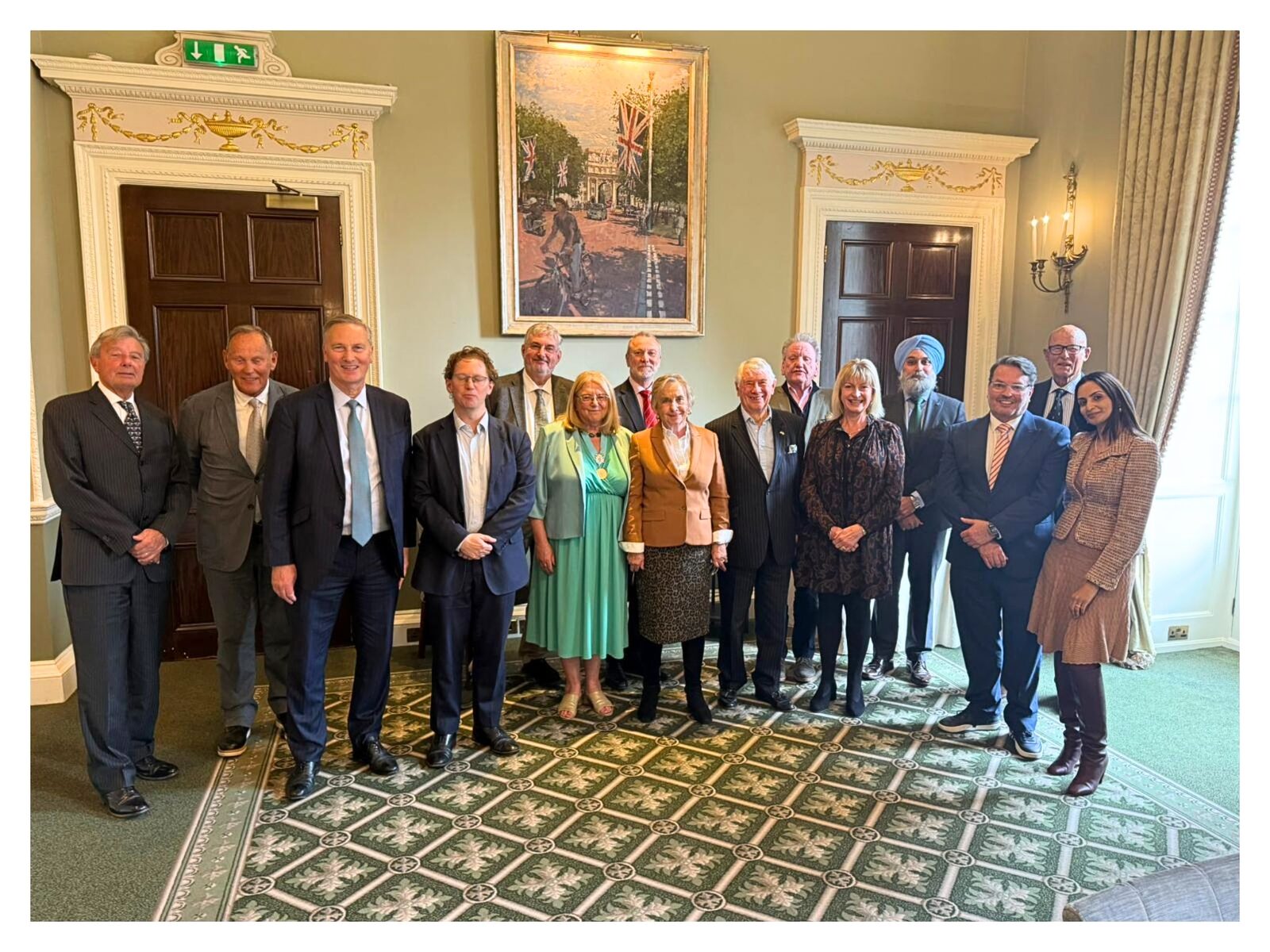
In May, I convened a lunch for former CIPR Presidents at the Royal Automobile Club in London.

There is a great deal of knowledge held by people who have served in the role. Bringing Past Presidents together gave us time to reconnect and discuss the Institute from the perspective of people who know its history well. Their generosity towards me during my own presidency has been enormously valuable.

I returned to London College of Communication in May, this time to speak with first-year students about the PR industry, my own professional journey and the opportunities available to those beginning their careers.

On 20 May, I co-hosted another CIPR Corporate Executive Dinner with Lewis Silkin. The evening brought together senior communications practitioners for a discussion centred on reputation management.

Our conversation ranged across fragmented audiences, crisis communications, geopolitical uncertainty and the UK’s reputation and soft power. I value these discussions because they bring senior practitioners into closer contact with the Institute and provide a forum for examining the issues occupying communications leaders at the highest level.

Later in the month, I joined the CIPR STEM Committee as a guest, continuing my engagement with the Institute’s specialist communities.

June

Council in person #

Turning member knowledge into useful insight

By ·

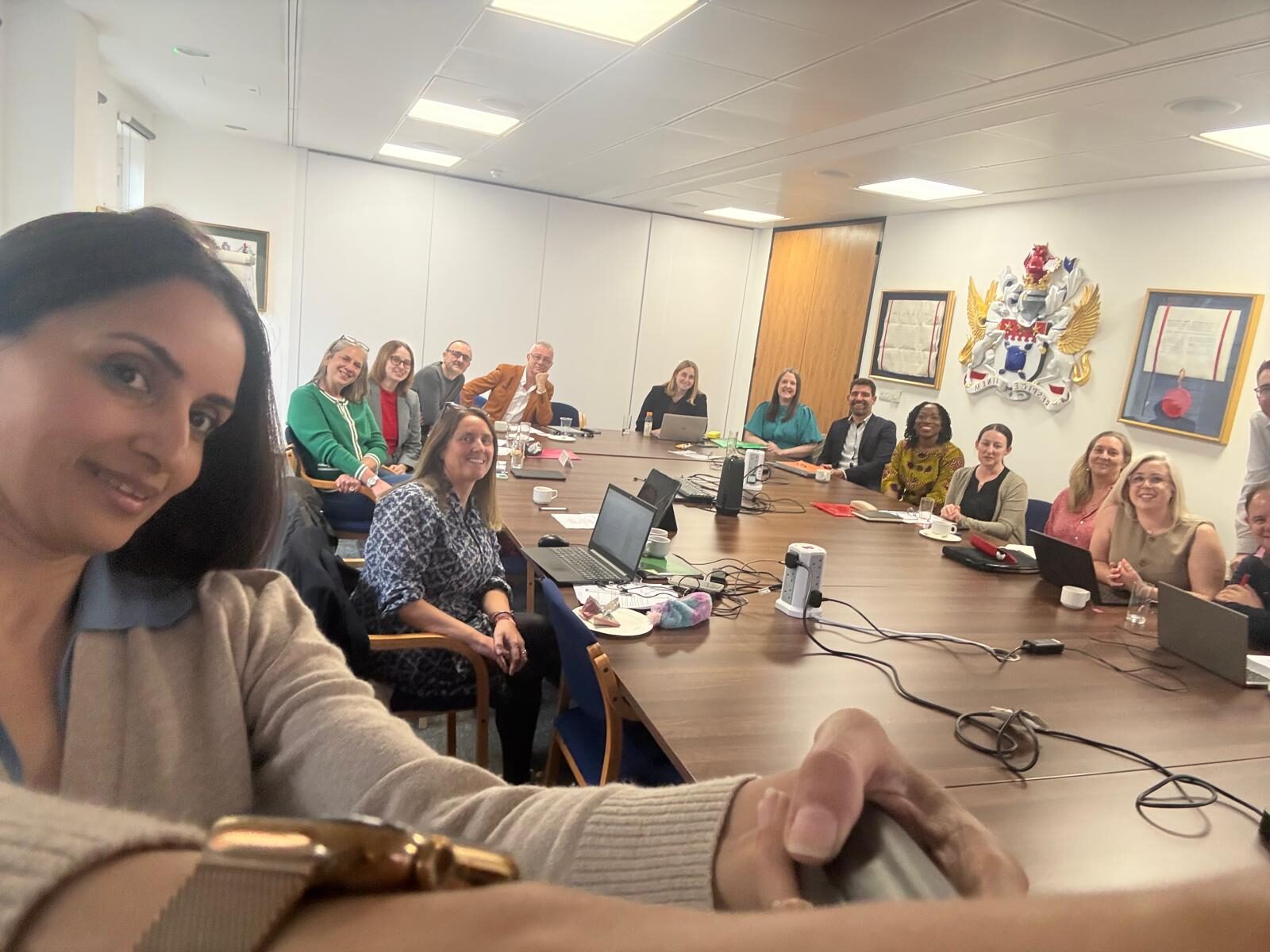
June brought the first in-person CIPR Council meeting of the year.

By this point, the work we had discussed at the beginning of the year was becoming much more tangible. Council members had been contributing insight through working groups, with the intention that their knowledge should support future planning within the CIPR. It was good to bring people together in person and see that work progressing.

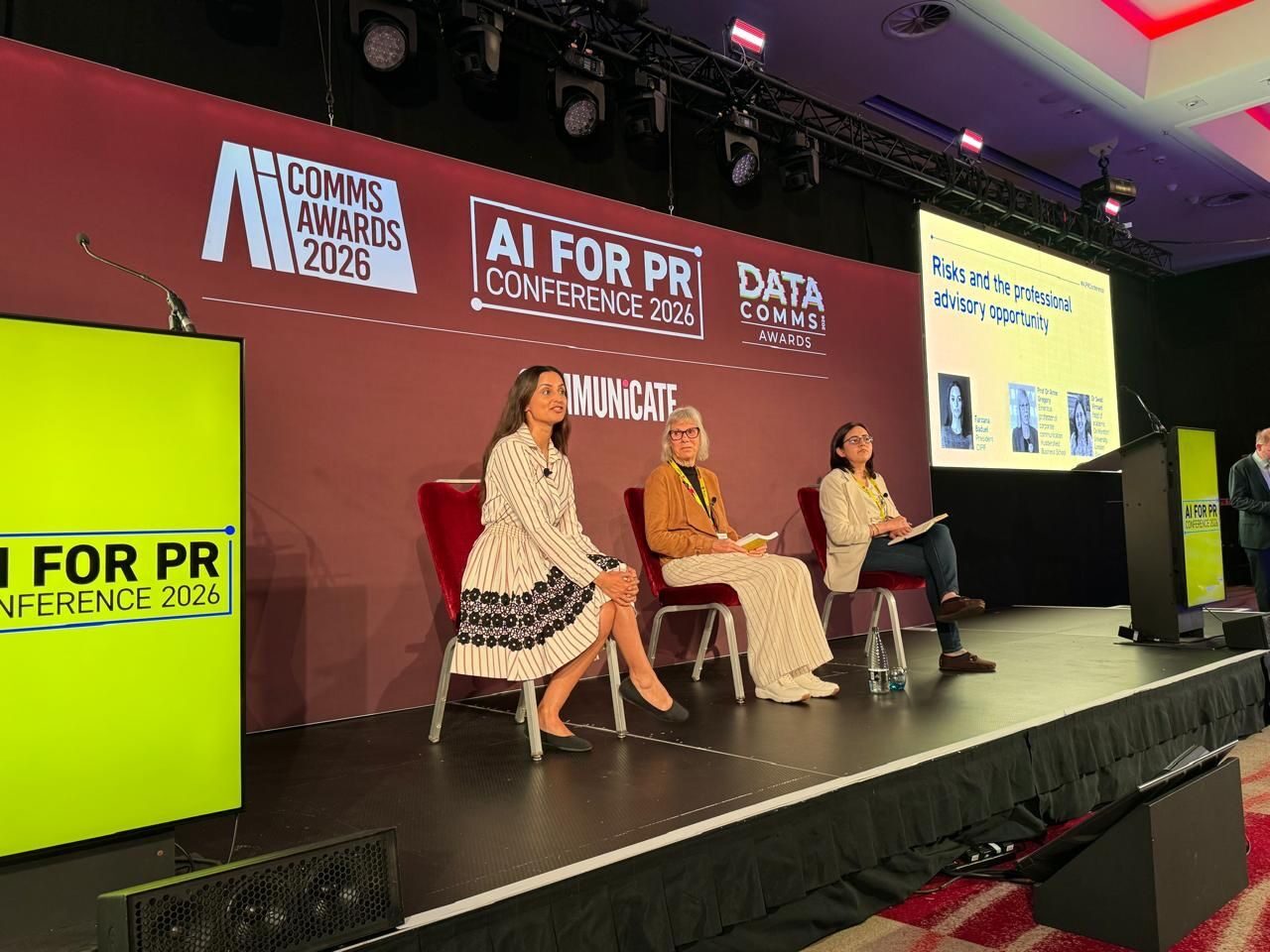
On 18 June, I spoke at the AI for PR Conference 2026 conference in London.

AI-driven innovation is one of the central themes of my presidency. My interest is in what the technology means for the future status and practice of public relations: which tasks will change, which capabilities will become more valuable and how practitioners can use AI while maintaining professional judgement, ethical standards and strategic responsibility.

July

Supporting the promotion of English law #

Bringing communications expertise to the English Law Promotion Panel

By ·

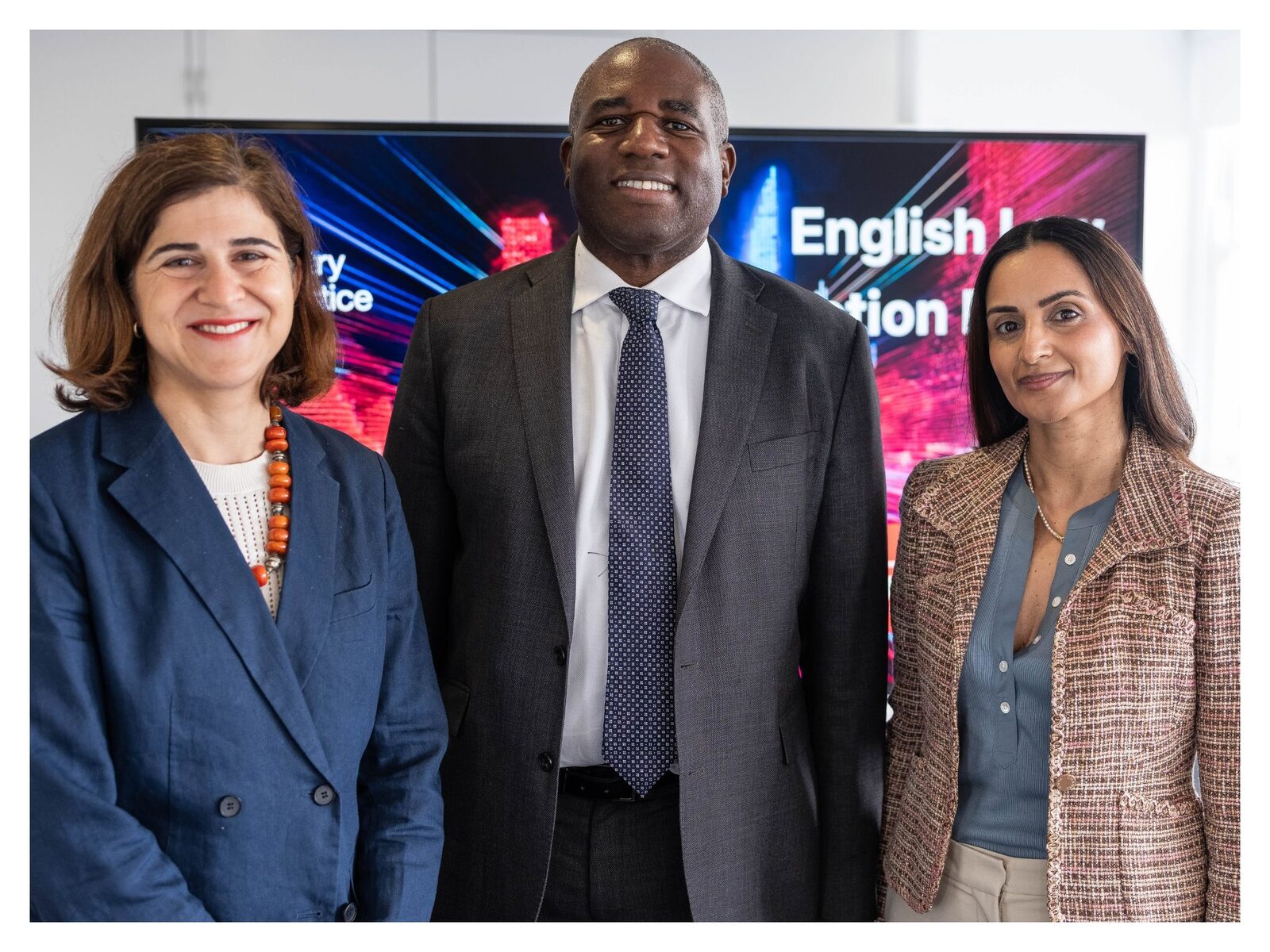
One of the most substantial pieces of work during my presidency has been the CIPR’s collaboration with the English Law Promotion Panel and the Ministry of Justice.

Our first working-group session took place on 30 July. From there, the work began developing across several areas, including communications around the Panel’s strategy and opportunities to draw on the CIPR’s professional network. I have found this particularly interesting because it shows where communications expertise can contribute well beyond the boundaries of our own profession.

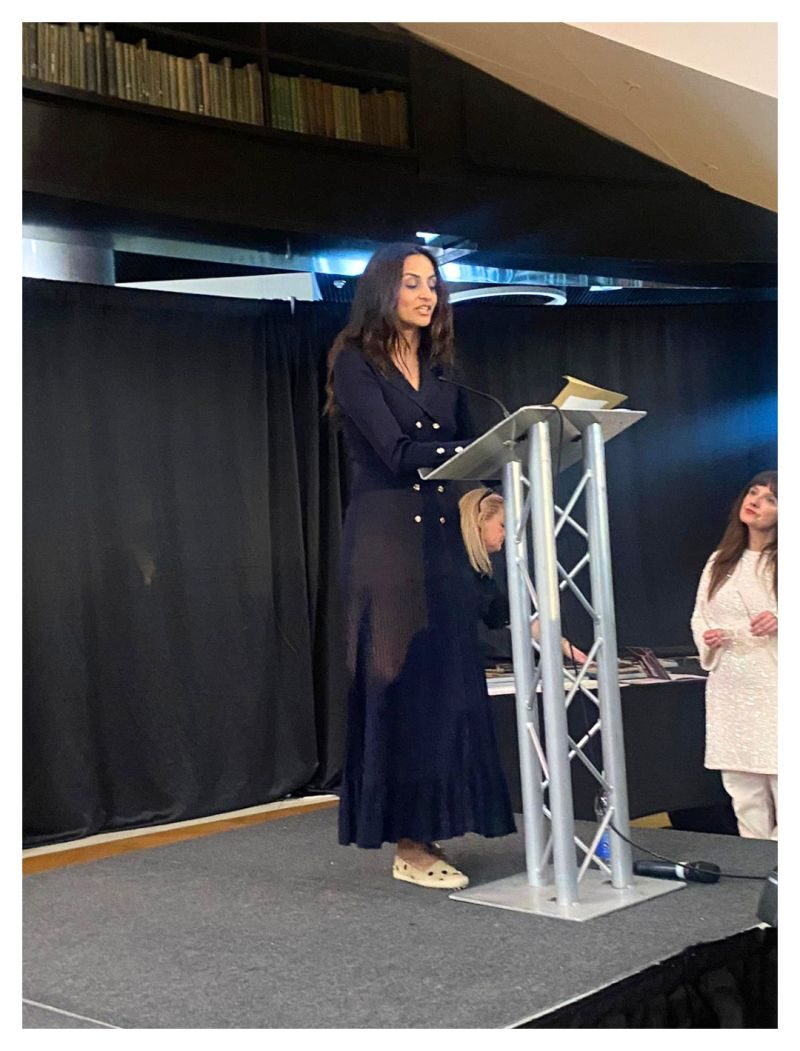
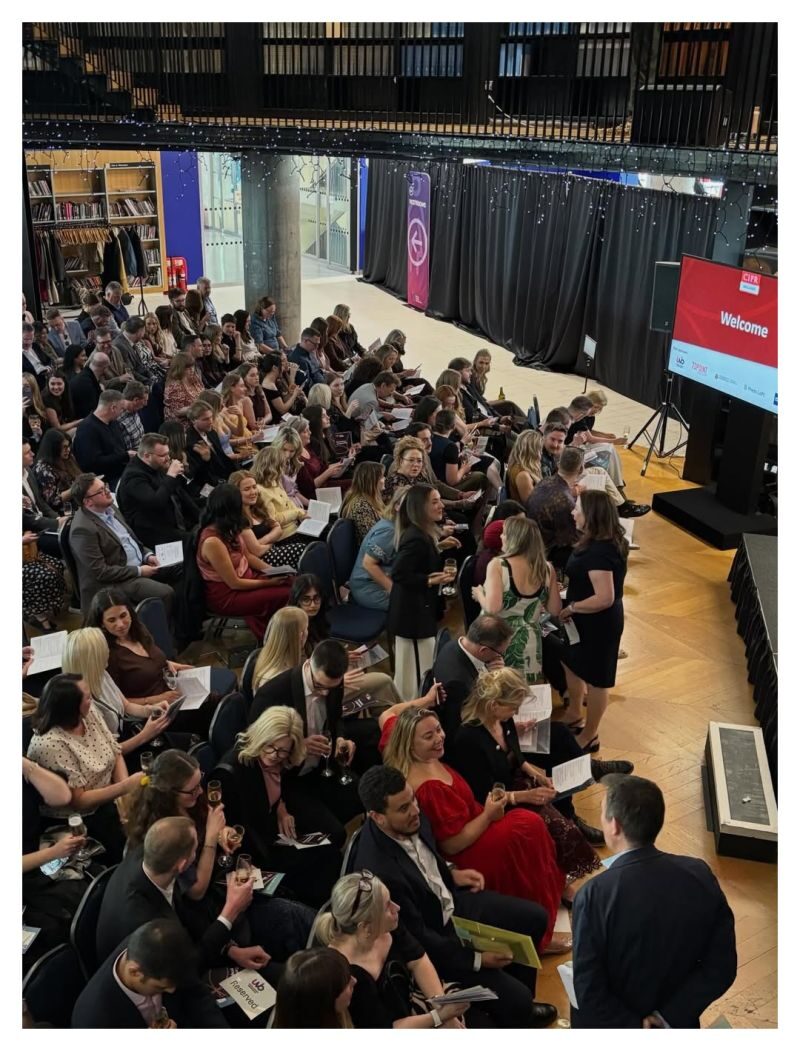
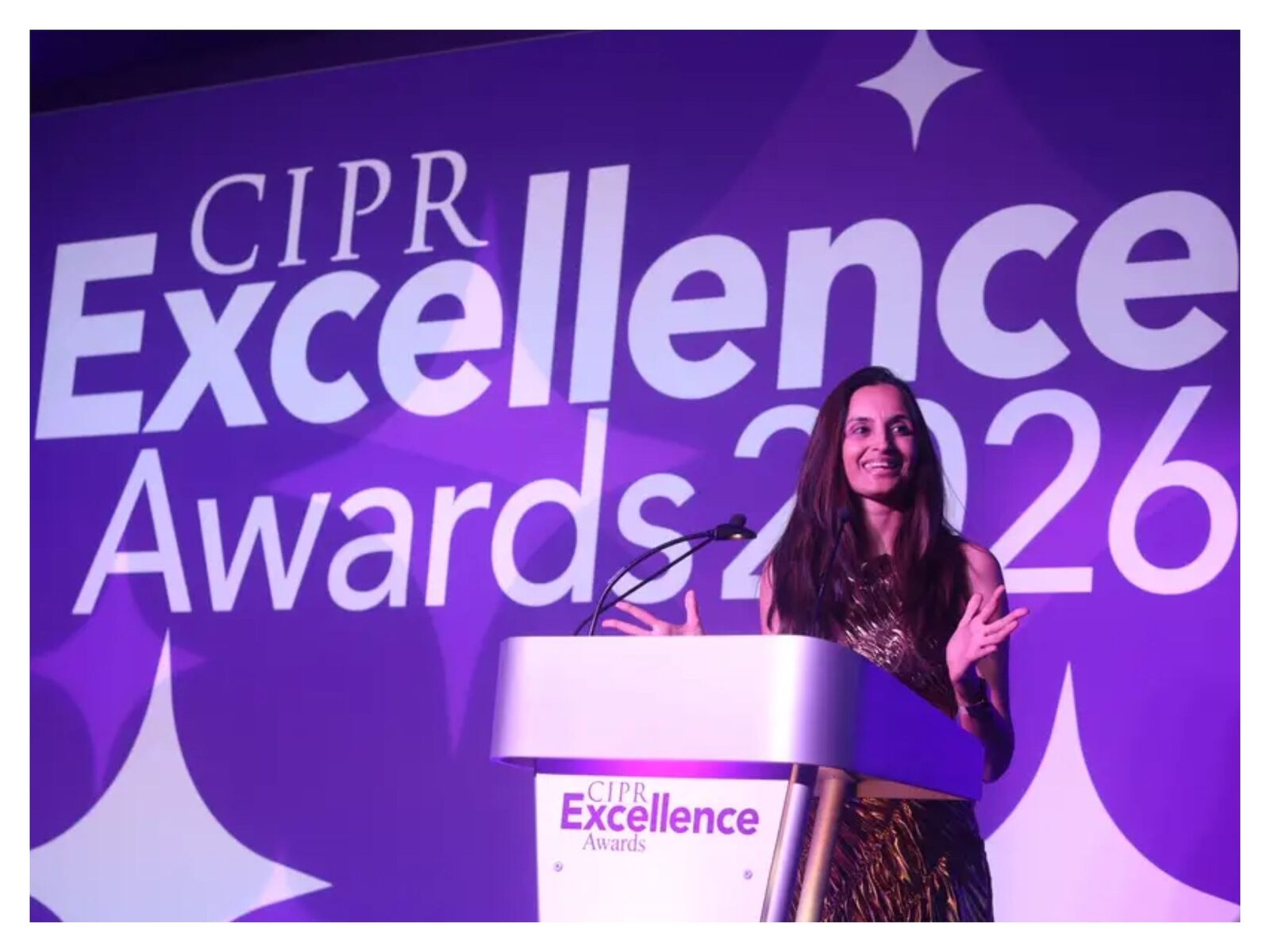
On 1 July, I opened the CIPR Excellence Awards in London.

The Excellence Awards are one of the major moments in the Institute’s calendar and an opportunity to recognise exceptional work across the profession. Celebrating professional excellence matters because awards can make good practice visible and give practitioners a chance to learn from the standards being set across the industry.

The following day brought another CIPR Quarterly Progress Live, continuing our regular communication with members.

Here’s a recap: youtube.com/live/u8v6Fua8S2w

I also took part in the CIPR’s Annual General Meeting during July, another part of the essential governance work that accompanies the more public side of the presidency.

The month also included work with Influence examining the implications of the UK-India relationship for public relations and communications, connecting with my wider interest in the international development of the profession.

August

Building something for the next President #

Developing the CIPR's first President's Handbook

By ·

A presidency lasts for a short period, but some of its work should last longer.

This year I initiated the development of the CIPR’s first President’s Handbook. The aim is to capture practical knowledge about the role so that future Presidents can begin their year with a stronger foundation rather than having to work everything out again.

The handbook has also been a reminder of how collaborative this year has been. Jo Barclay has provided a great deal of support from the CIPR, alongside contributions from Alastair McCapra and others. At Curzon PR, David Olajide and Solomon Ibeh have devoted considerable time to supporting the presidency on a pro bono basis.

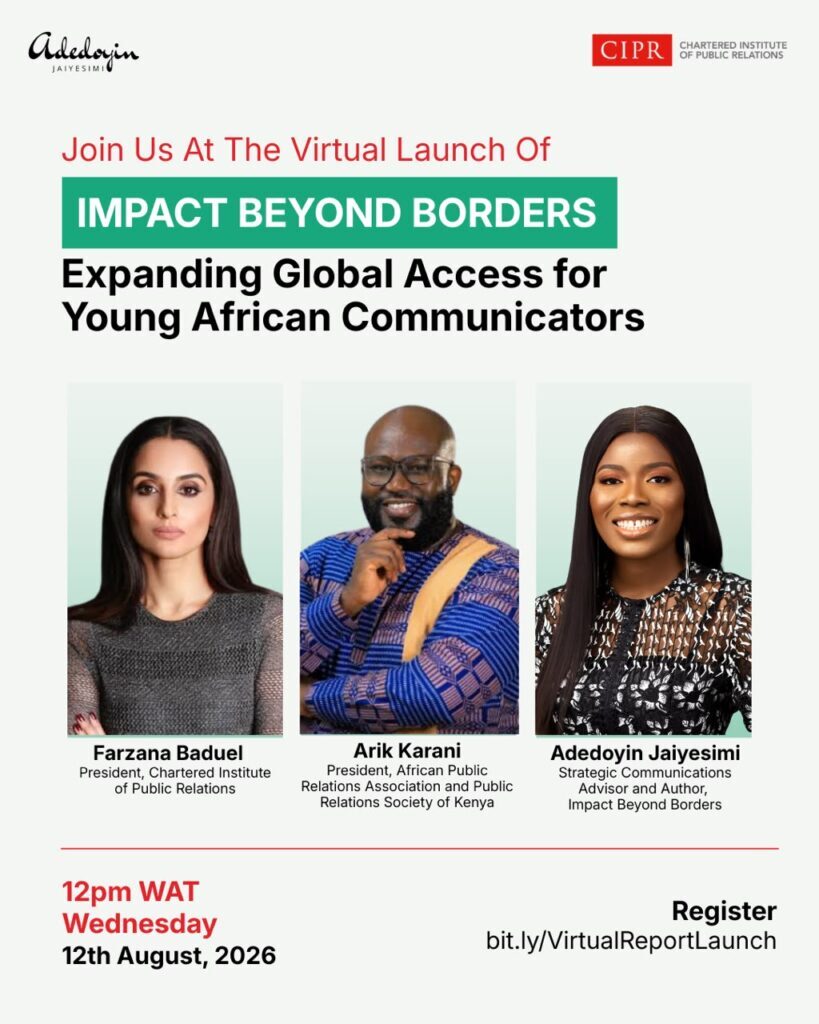
On 12 August, I spoke at the launch webinar for the CIPR Research Fund report Impact Beyond Borders: Expanding Global Access for Young African Communicators, authored by Adedoyin Jaiyesimi Chart.PR, MCIPR.

The research drew on more than 200 respondents across 11 African countries and examined why young African communications professionals can struggle to access global PR training, certification and employment. Its findings around affordability, awareness and the relevance of international training to African markets raise important questions for professional bodies with global ambitions.

This connected closely with one of the commitments I made in my presidential manifesto: strengthening international engagement and knowledge-sharing. If the profession is to become genuinely global, access to its institutions, development opportunities and professional networks has to extend meaningfully across markets.

With thanks

A presidential year is highly visible, but much of the work behind it is carried by other people.

I am deeply grateful to my family for the support that has enabled me to give this time to the presidency. I am also thankful to my colleagues at Curzon PR for the time they have given to the CIPR alongside their own work.

In particular, I want to thank David Olajide and Solomon Ibeh for the substantial pro bono support they have provided throughout the year.

At the CIPR, I have worked particularly closely with Jo Barclay, Alastair McCapra, Jon Gerlis and Alex Wiltshire. Their support has made a real difference, as has the contribution of the wider CIPR team and its volunteers.

There is much more still to come in 2026. I will continue adding to this diary as the year progresses.