 Back
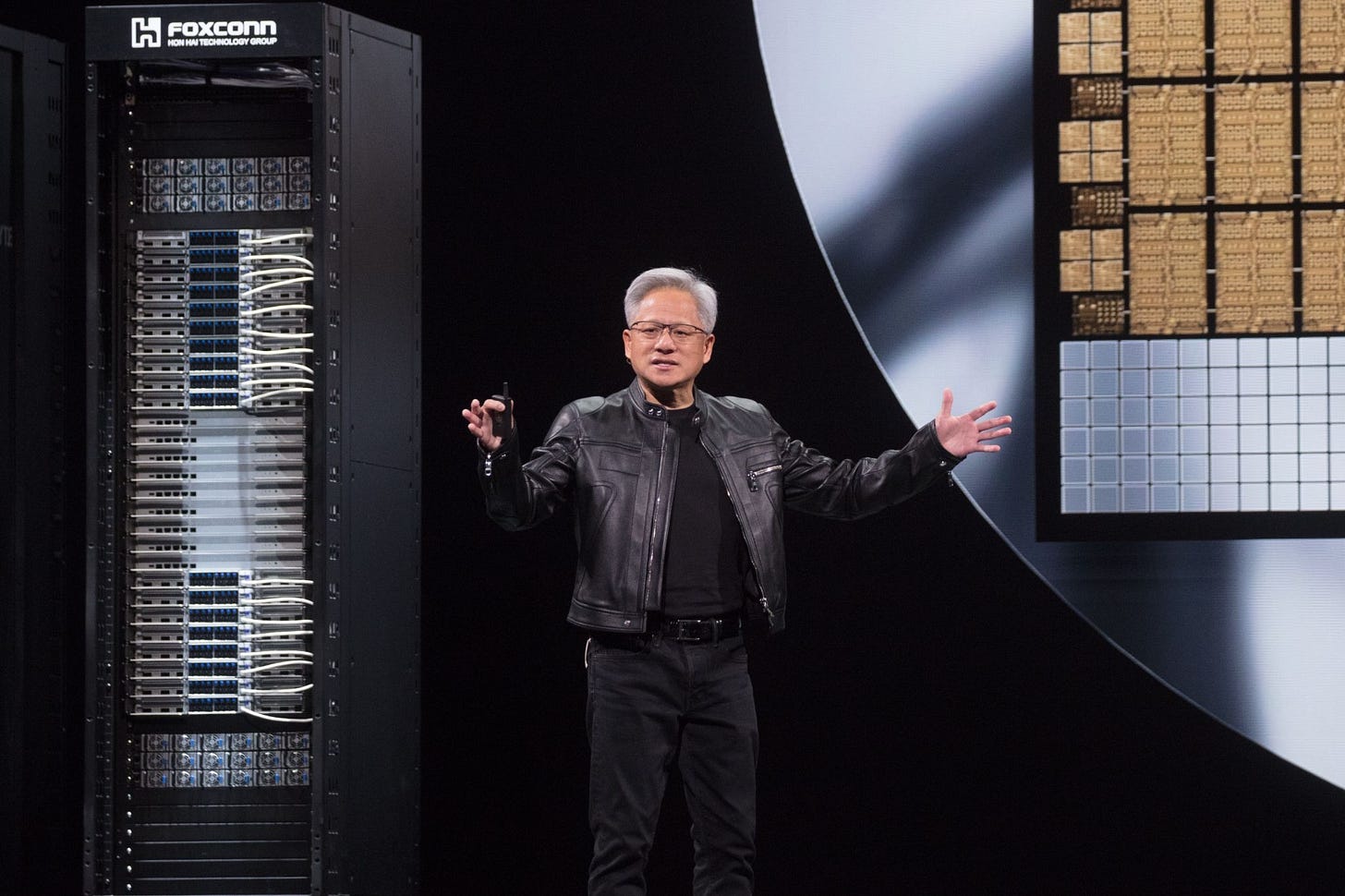
Eleven days. That’s how long Jensen Huang spent away from Nvidia before returning as chief executive of the company he co-founded.
On 17 November, Nvidia’s chair had said the board ‘does not intend to reinstate’ Huang. Six days later, it voted unanimously to bring him back. Following a campaign of support from some of the most influential figures in American business and politics, Huang was back at the company’s headquarters in California, greeted by cheering employees.
Having followed this story over the past three weeks on When It Hits the Fan, David Yelland and I examined what Huang’s extraordinary comeback means for Nvidia. We also discussed the favourable publicity both Prince William and Prince Harry have been enjoying, and the reputational challenges facing the literary estate of the late novelist Jilly Cooper.
When Personal PR Comes at a Corporate Cost
Huang began with a direct apology for being unfaithful to his wife, then largely withdrew from public view while his supporters made the case for his return. With President Donald Trump and Elon Musk among those backing him, Huang eventually indicated that he would be willing to return if asked.
Footage of employees welcoming him back was widely shared on social media. His personal communications campaign had achieved its immediate objective.
But spare a thought for Nvidia’s communications team. Imagine spending days speaking to journalists, explaining that the board had unanimously accepted Huang’s resignation and had no intention of reinstating him. You then find yourself communicating precisely the opposite decision.
Much of the work we do in corporate communications involves getting senior leaders to agree on a position before communicating it externally. Journalists need to have confidence in the information we provide, particularly during a crisis when speculation is rife.
Boards are entitled to reconsider decisions. Given Huang’s contribution to Nvidia and the company’s importance to the American technology sector, there were considerable commercial interests at stake. The board cited discussions with Huang and input from senior US officials. But did that explanation give employees and investors enough to understand why the board changed its mind so quickly?
Few executives have access to the political influence and commercial relationships available to Huang. I also wonder whether a woman in a similarly powerful position would have received comparable public support.
Reuters reported that Huang had a relationship with an employee.
Chief executives have considerable influence over corporate culture through their own behaviour. Employees may reasonably question whether workplace standards are being applied consistently when allegations of this nature concern their chief executive.
When advising people seeking to rebuild their reputations following a public scandal, we often encourage them to demonstrate what they have learnt and how they have addressed the concerns that led to their departure. The time needed varies according to the circumstances, but eleven days is remarkably brief.
Separately, Nvidia described Huang as the possible target of a foreign intelligence effort and said its investigation would continue. The company has also announced the formation of a national security and export control committee ahead of further scrutiny in Washington. This seems a sensible step, although much will depend on how the committee operates.
Huang’s return may have reassured investors and employees who believe the company needs his leadership. For others, the reversal may have raised fresh questions about the independence of its board.
The next time Nvidia’s directors communicate the board’s position on a sensitive matter, journalists may reasonably question how much confidence they can place in it.
Two Princes, One Institution
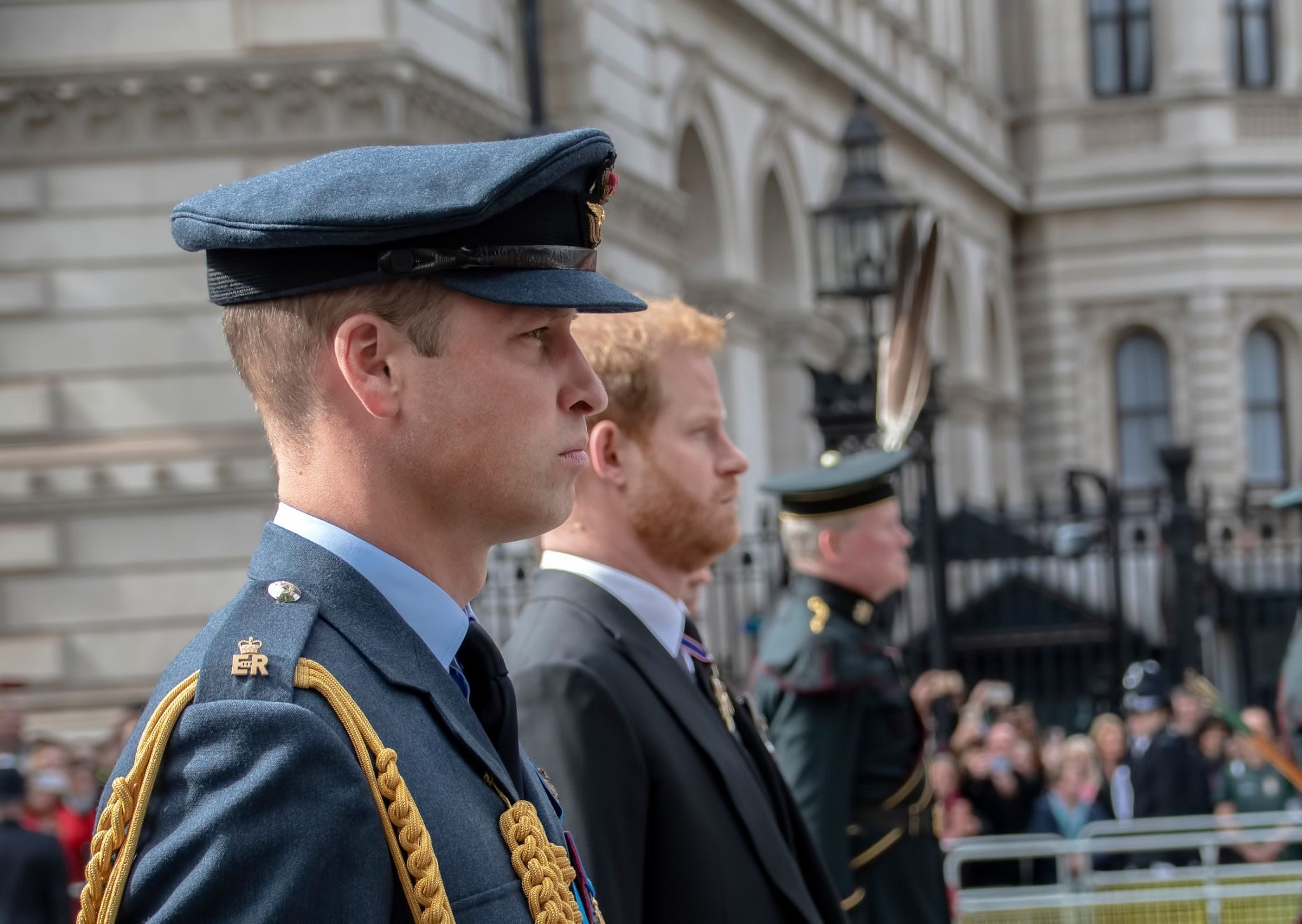
Prince William and Prince Harry have both been enjoying some rather favourable publicity recently, a welcome departure from the coverage that has so often pitted the brothers against each other.
William’s visit to India for the Earthshot Prize offered some lovely examples of cultural diplomacy. He played cricket with Sachin Tendulkar and wore a Nehru-collar jacket. I’m particularly interested in sartorial diplomacy, and William’s choice of clothing reflected both an appreciation of Indian culture and, through his use of environmentally conscious brands, the principles behind the Earthshot Prize.
Meanwhile, Harry’s recent appearance on ITV’s This Morning, where he spoke about his family and the Invictus Games, showed a relaxed side of him that British television audiences have perhaps seen less of in recent years.
As heir to the throne, William has constitutional responsibilities and must consider the implications of his public appearances for the monarchy. From the outside, Harry appears to have more freedom over the interviews he gives and the causes he chooses to champion.
Harry’s royal identity remains central to much of the public interest in him. He can pursue media opportunities that might have required greater coordination had he remained a working royal.
Positive coverage for Harry need not come at William’s expense. Both brothers are involved in worthwhile causes, and there is room for their work to receive recognition.
For the Palace, the challenge may increasingly lie in managing the monarchy’s public profile alongside that of a prominent member of the royal family whose communications it no longer directs.
Reputation Beyond the Grave

Kate Maltby’s investigation for The Observer identified similarities between passages in Cooper’s 1978 novel Prudence and earlier works by Cyra McFadden and Josephine Tey. Cooper’s agent and publisher declined to comment when approached by the newspaper.
The allegations of plagiarism come at a time when the success of the television adaptation of Rivals has introduced the late Jilly Cooper’s work to a new generation of fans, raising questions about her literary legacy.
Cooper’s longstanding popularity may offer her reputation some protection. Readers who have loved her books for decades may continue to enjoy them despite the controversy.
For her literary estate, there are commercial considerations. Following the success of Rivals, producers considering adaptations of her other works may seek greater assurances about their originality.
There are also the literary legacies of McFadden and Tey to consider. Should the allegations be substantiated, their estates have a legitimate interest in seeing their contributions properly recognised.
I suspect we may see more historical allegations of this nature as artificial intelligence makes it easier to search archives and compare large volumes of published work. Researchers can now examine material that might previously have taken considerable time and effort to review.
These tools can help identify similarities, although establishing plagiarism requires careful examination of the evidence and context.
For publishers and literary estates, this may mean having to revisit work that has been in circulation for decades. Protecting an author’s reputation becomes a rather more complicated undertaking when the person best placed to explain how that work came about is no longer here to do so.
Originally featured in Substack