 Back
Back“Attention is the rarest and purest form of generosity.” — Simone Weil
Hello again from London.
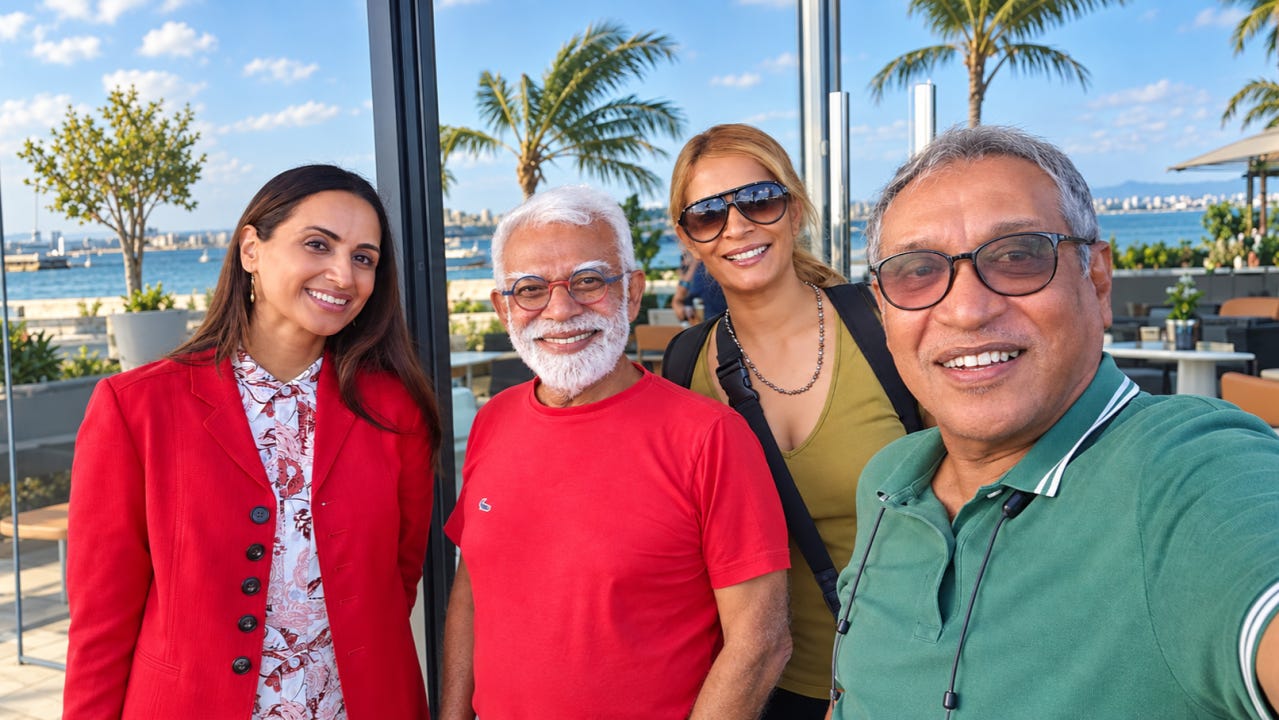
After a few weeks of planes, different time zones and writing to you from elsewhere, it feels good to be home.
I am also back behind the microphones with David Yelland, and the news cycle certainly did not wait for me to catch up.
So, let’s get into this week’s fan hitters.
When It Hits the Fan
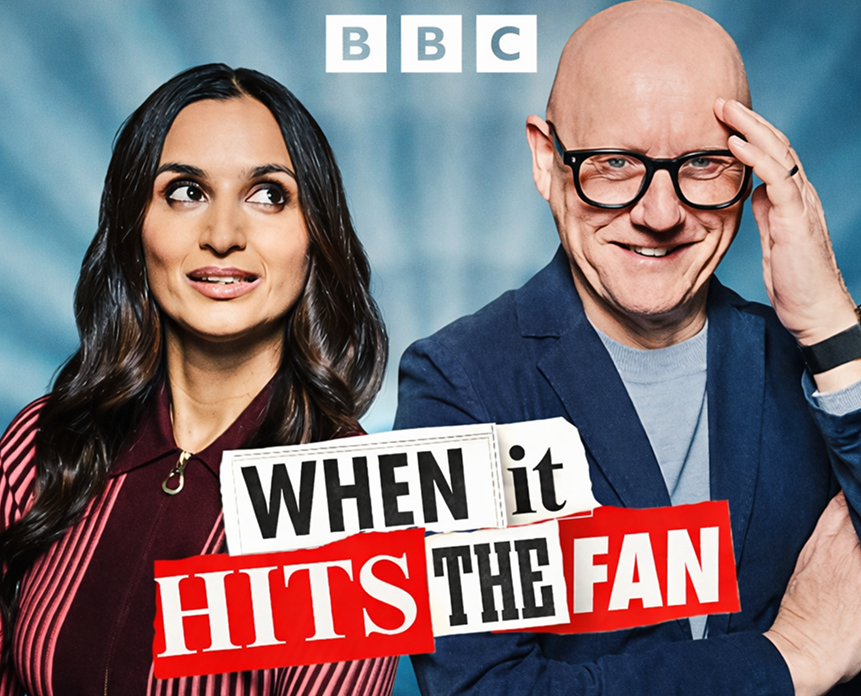
This week, we discussed whether it was wise for Buckingham Palace to issue a statement in response to bombshell claims made in Earl Spencer’s new book.
Advisors closest to the King must have known it would pour rocket fuel on an already incendiary story – but would it have been even worse not to respond?
And sticking with statements, we also talked about Ed Sheeran. The singer is right in the middle of an enormous PR storm, over where he stands on the situation in Gaza. He’s now said he’s ‘made mistakes and is so, so sorry’, but as we explain, whatever he does now won’t be enough to appease everyone. So what is he supposed to do next?
➡️ Listen to this week’s episode of When It Hits the Fan
47 Seconds
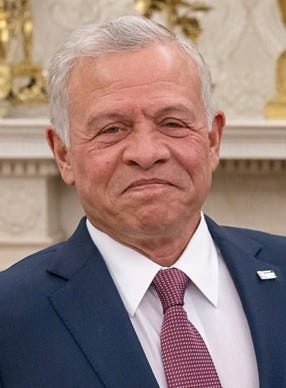
I came across a clip of King Abdullah II of Jordan addressing the UN General Assembly this week.
He began with a striking statistic. Research suggests tha the average time we spend on one screen before switching has fallen from around two and a half minutes in 2004 to just 47 seconds today.
He went on to describe attention as one of the world’s scarcest resources. What we give our attention to, and what we allow to disappear from view, has consequences.
Those of us in communications spend a great deal of time thinking about how to capture attention. Increasingly, I think the harder task is keeping it.
A message can travel around the world in seconds. Getting someone to stay with it long enough to understand it is another matter entirely.
➡️ Watch King Abdullah’s remarks
Royal Tea, Across the Atlantic

I mentioned recently that I had filmed something with ABC News, and I can finally share it.
I joined Impact x Nightline for its season premiere, Harry & Meghan: The Return of the Prince, looking at the Duke and Duchess of Sussex’s return to Britain and what it could mean for their relationship with the Royal Family, their public image and the stories that follow them.
The programme brings together quite a cast of royal watchers, including Victoria Murphy, Afua Hagan, Jobson, Robert and Elizabeth Holmes and Erin Hill Miller, alongside several other journalists and commentators.
I always find it interesting to see how royal stories are understood on the other side of the Atlantic. The same family, the same events, but often a rather different conversation around them.
The episode is currently streaming on Disney+ and Hulu in the US. A UK release date has yet to be confirmed.
➡️ Watch the trailer video on Instagram
Brand Rooney
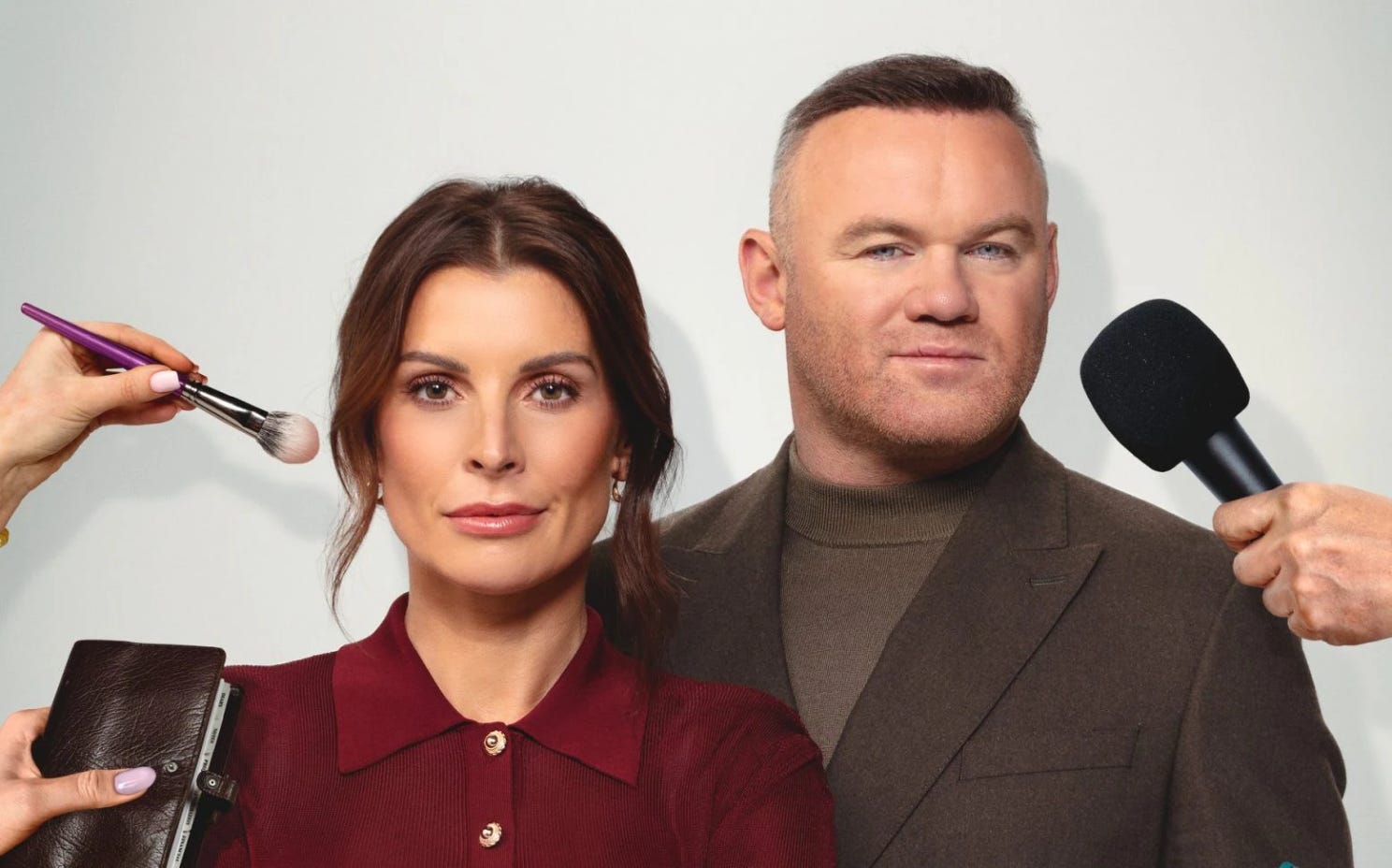
I spoke to Leaf Arbuthnot at The Telegraph this week about the evolution of Wayne and Coleen Rooney’s public image, alongside their long-time manager Paul Stretford and talent manager Prof Jonathan Shalit OBE.
Wayne is an interesting example of what happens to reputation when a sporting career ends. Today, the opportunities are in broadcasting, podcasts, documentaries and commercial partnerships, where people are buying into the person as much as the footballer. As I told Leaf, when your income becomes increasingly dependent on brand partnerships, “they are no longer the icing on the cake, they are the cake.”
But the Rooneys’ changing reputation cannot simply be put down to clever PR. Their lives have played out publicly for more than two decades, and people have watched them grow older through success, mistakes and everything in between.
Communications can help people understand change, but it cannot manufacture maturity. Sometimes there genuinely is a different side of someone for the public to see.
➡️ Read: Inside the rebranding of Wayne Rooney
The Boardroom Blind Spot
Katherine Sykes FCIPR Chart.PR co-chair of the CIPR Crisis Communications Network , has written an excellent piece for City AM on a blind spot that will be familiar to many communications professionals. Too often, our expertise is brought into the room after the problem has already emerged.
It follows the publication of Crisis Communication for Boards: A Handbook for Good Governance, produced by the CIPR Crisis Communications Network in association with the Institute of Directors (IoD). I contributed a section on horizon scanning and reputational risk.
Katherine makes the case that communications belongs much earlier in the process, helping leaders identify risks, challenge assumptions and understand how decisions might be received before a situation becomes a crisis.
That is ultimately why communications needs a seat at the table before, not simply during, the difficult moments.
➡️ Read Katherine’s piece in City AM
➡️ Read the Crisis Communication for Boards handbook
Final Call for Acts

A quick PR Has Talent update because we are nearly at the application deadline.
Applications close on Wednesday 30 September, so if you have been thinking about getting on stage at Soho Theatre, now is the time.
You do not need to be a professional performer. Sing, dance, do comedy, play an instrument or surprise your colleagues with something they had absolutely no idea you could do.
And if performing sounds like your worst nightmare, tickets are now on sale for Tuesday 17 November. Come along and cheer on the people brave enough to take the stage.
All proceeds from the evening will support Soho Theatre’s New Writing Programme.
➡️ Book tickets at Soho Theatre
Until next week,
Farzana
Originally featured in Substack