 Back
Back“Almost everything will work again if you unplug it for a few minutes, including you.”
— Anne Lamott
Hello again from London.
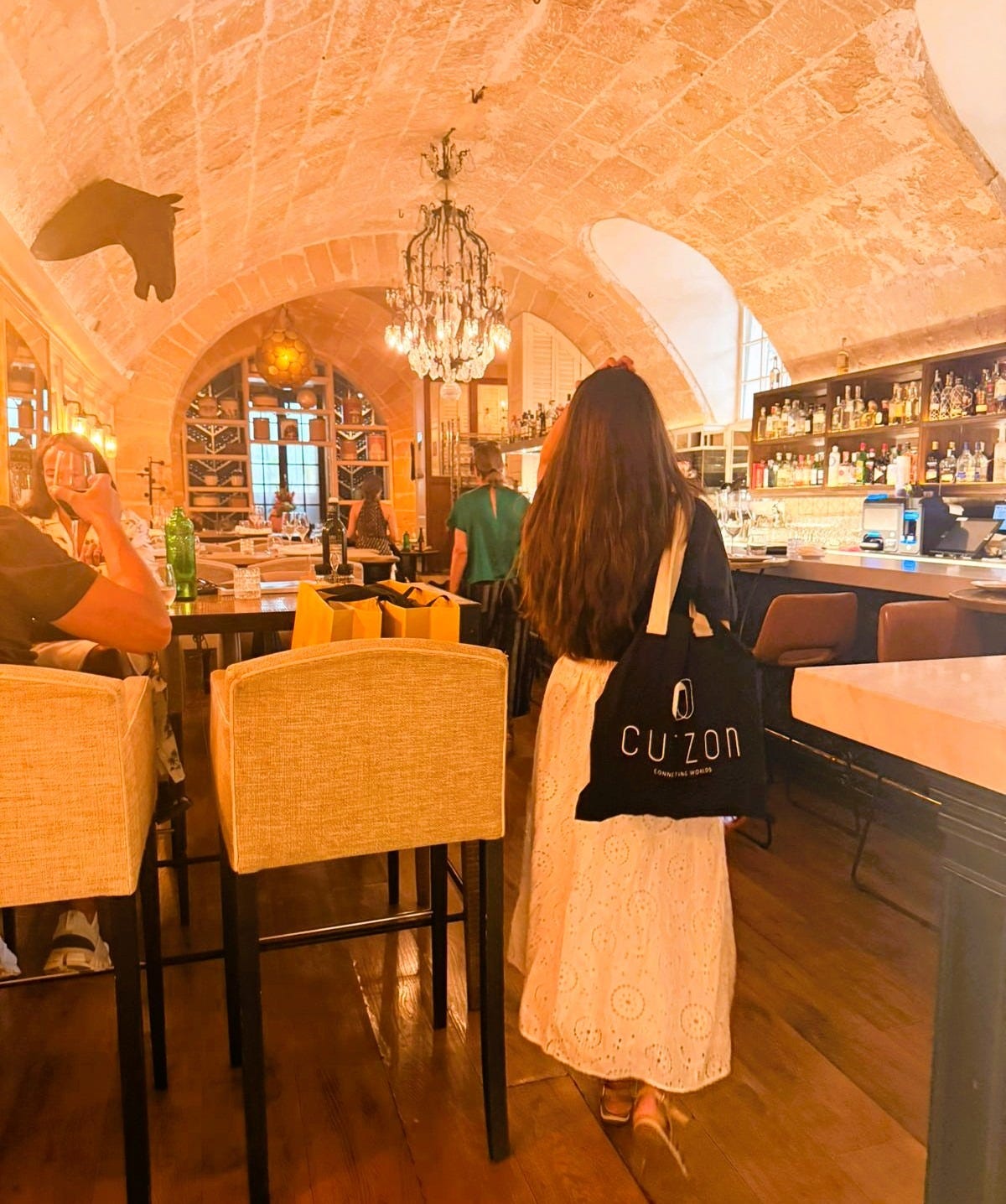
After a week in Mallorca with my family, I am back at my desk, back in my inbox and once again paying far too much attention to the news.
I did manage to switch off, though. Or at least more than usual.
PR is a profession that rewards being switched on. We are paid to notice things, follow what is happening and be ready when something changes. After a while, it can become difficult to remember that your brain occasionally needs a break.
A few days away were a good reminder.
It is good to be back.
The Always-On Profession

PR has repeatedly appeared among Careercast‘s ten most stressful professions. That won’t surprise many people who work in it.
Deadlines, difficult news, demanding situations and the simple fact that the world does not stop because you have put your out-of-office on all come with the territory.
We are also expected to know what is happening, spot what might happen next and be ready when something changes. But being constantly available is not the same as being effective.
Mallorca was a useful reminder of that. I read less news. I checked my phone less. I spent less time thinking about what needed doing next. And my world of work, remarkably, continued without me.
I came back rested, but also clearer. Switching off isn’t time away from doing your job well. Sometimes it is part of doing your job well.
And on that note, back to work.
The Telltale Signs of AI
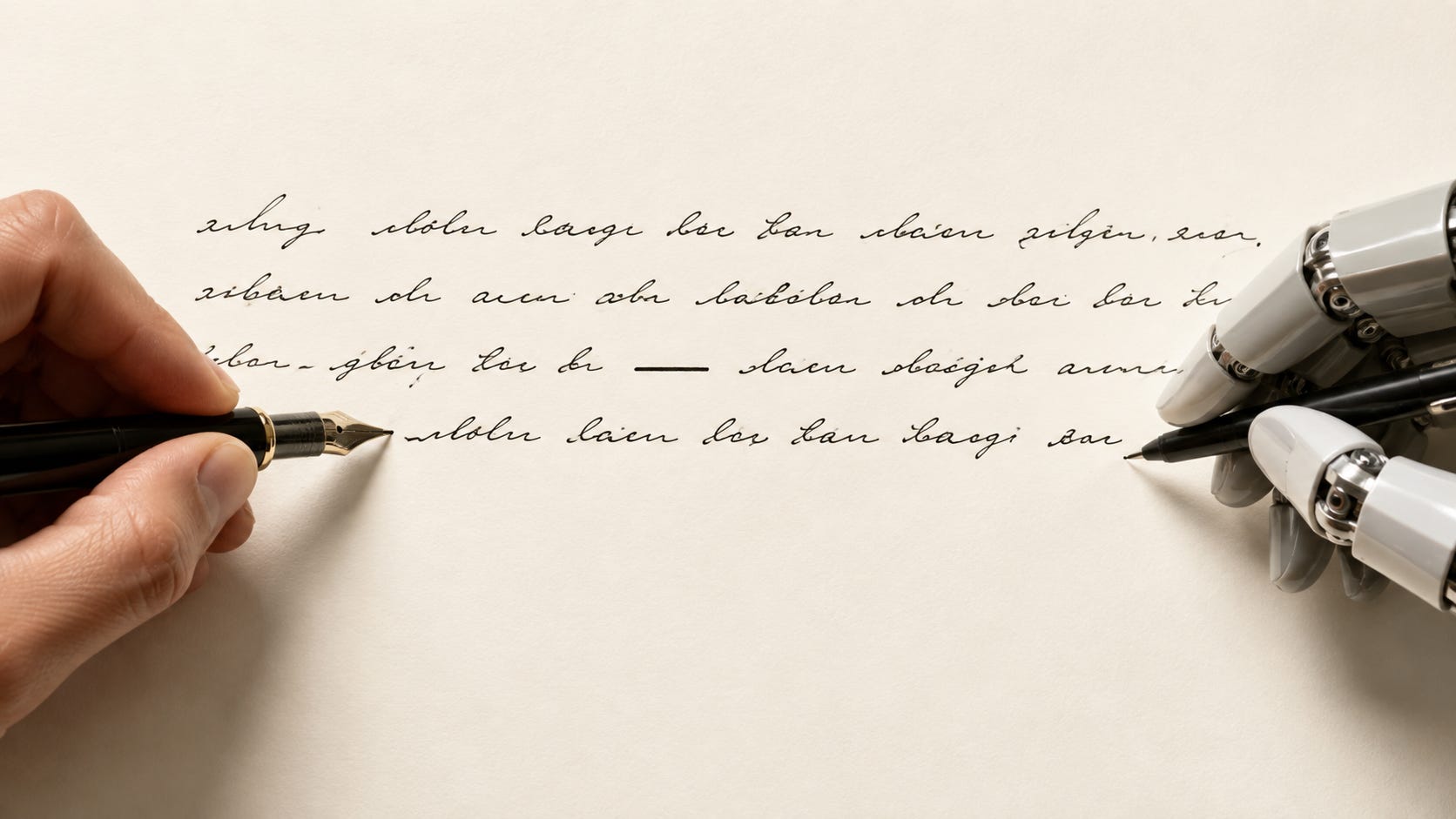
I enjoyed a piece in The Economist this week on how to spot AI writing.
The magazine analysed 55,940 sentences and 1.2 million words produced by ChatGPT, Claude, Gemini and Grok. Some of the findings challenge what many of us have come to think of as the obvious AI giveaways.
Take the poor em dash. It has become so associated with AI that perfectly innocent punctuation now has a reputation problem. Yet only Claude used it more than human writers. ChatGPT actually used it less.
The better clues are in the writing itself. AI tends to favour longer words and sentences, certain neat rhetorical patterns and, naturally, the rule of three.
But these habits change as the models change. Words such as “delve” that once screamed AI are already becoming less common. Today’s giveaway may not be tomorrow’s.
For communicators, that makes me less interested in whether we can spot AI writing than whether we can still hear the person behind it.
Good writing has judgment and personality. It sounds human. AI can learn your style, but keeping your voice is still your job.
➡️ Read: How to spot AI writing
What If the Algorithm Worked for Us?
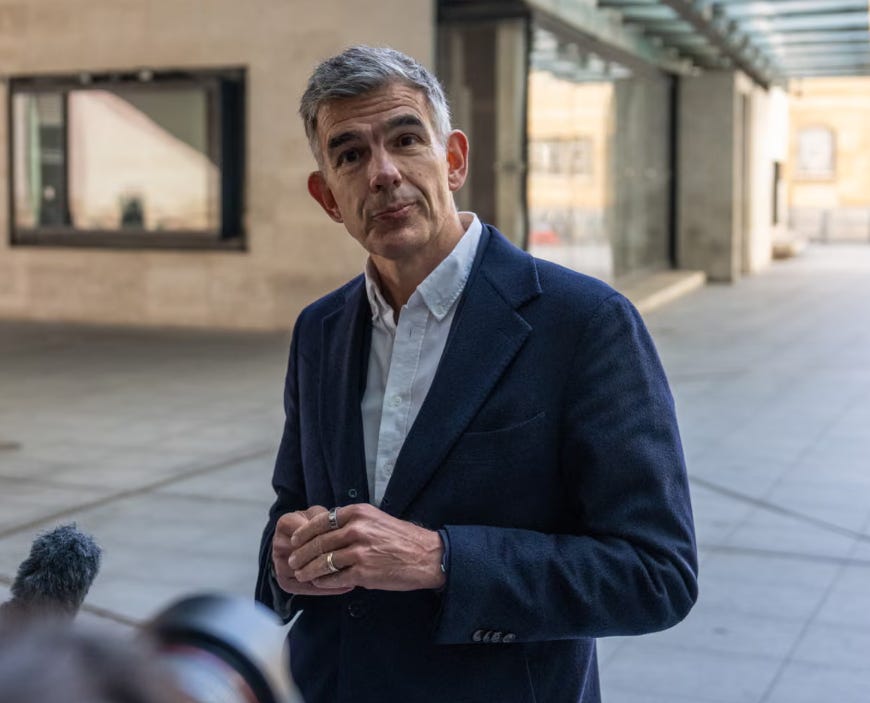
I was interested in BBC‘s director general Matt Brittin CBE’s comments at the Edinburgh TV Festival about the idea of a “public service algorithm” for the BBC.
His suggestion is that a future iPlayer could open itself up to more creator-made content, a little like YouTube, but recommend it according to public-service values rather than commercial incentives.
It is an interesting idea because algorithms have quietly become some of the most powerful editors in our lives. They decide which stories rise, which voices travel and what keeps us scrolling. Most of the time, we have very little idea why we are being shown what we see.
The BBC proposition raises a bigger question. What would an algorithm look like if its job wasn’t to keep us online for as long as possible, but to inform, educate and entertain us?
There are plenty of questions about how that would work in practice, not least who gets to define “public service” and how a platform remains genuinely open while protecting the standards and trust associated with the BBC.
But I like that the conversation is happening. We spend a lot of time debating the content that shapes public opinion. We should probably spend more time thinking about the systems deciding who gets to see it.
➡️ Read: BBC chief proposes ‘public service algorithm’ with YouTube-style user-generated content
99 Episodes of Communication Breakdown
A few weeks ago, I wrote about one of my favourite PR podcasts, Communication Breakdown, hosted by Steve Dowling and Craig Carroll, as they approached their 100th episode. Well, they are nearly there.
For episode 99, Steve and Craig handed the questions over to some of the people who regularly listen to and support the show. I was delighted to be one of them, alongside David Gallagher and several other friends of the podcast.
I asked them about the differences they see between the UK and US PR landscapes, which prompted a really interesting conversation.
Congratulations to Steve, Craig and the team as they prepare to reach 100 episodes next week. Showing up every week and sustaining a thoughtful conversation for that long is no small achievement.
➡️ Have a listen to episode 99 here.
The Art of Leaving
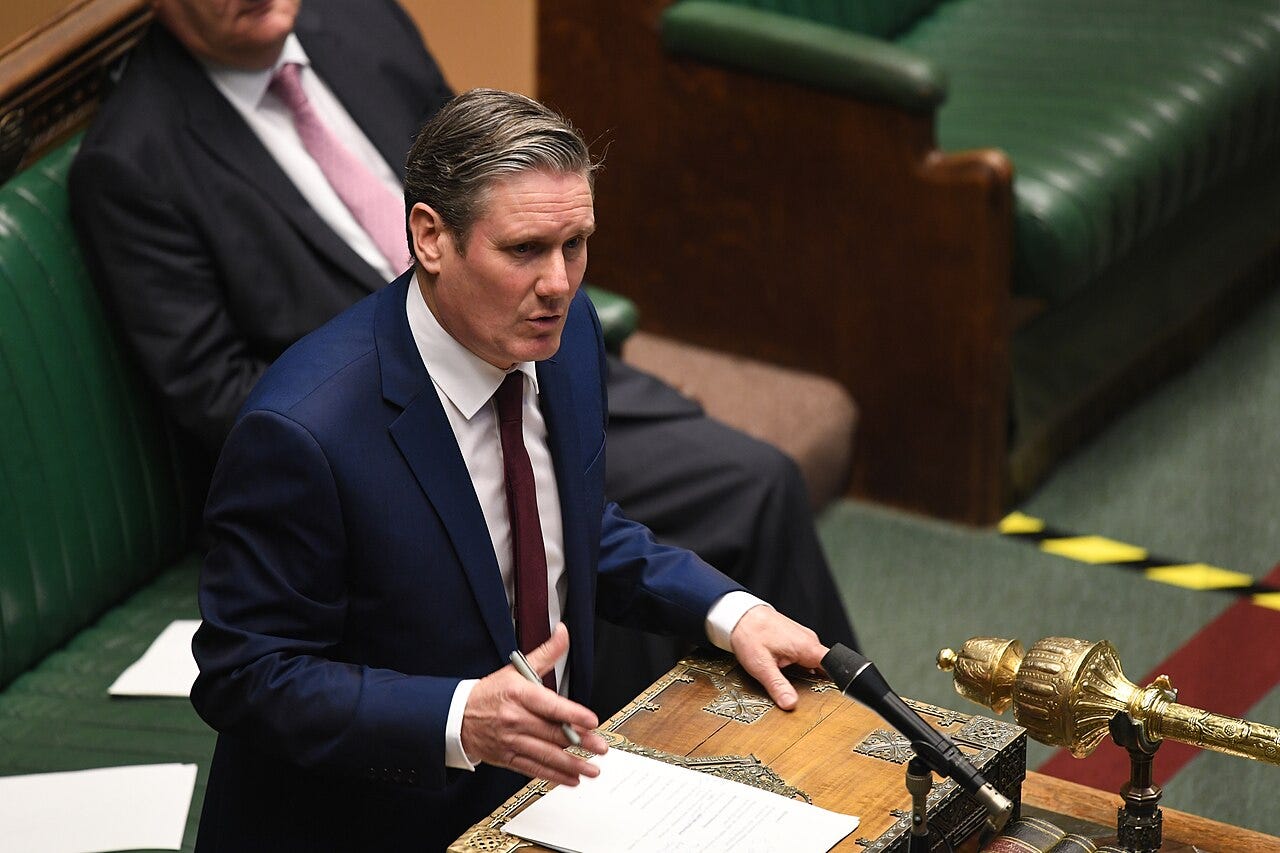
Keir Starmer announced this week that he is leaving Parliament, just weeks after leaving Downing Street.
When he stepped down as Prime Minister, he said he planned to remain an MP until the next election. He has now changed his mind and will leave the Commons to focus on international affairs, triggering a by-election in Holborn and St Pancras.
PR guru Andy Coulson made a good point about this in this post. He argued that announcing your departure before you can clearly say where you are going leaves people to fill in the gaps themselves. I tend to agree.
Leaving well is a skill. David Yelland and I discussed exactly this on When It Hits the Fan earlier this year when Tim Cook announced that he would step down as Apple’s CEO. Apple gave itself more than four months for the handover. Cook worked alongside his successor, John Ternus, through the summer and moved into his new role as executive chairman this week. We called it a masterclass in the graceful goodbye.
The contrast is useful. An exit is part of your reputation too. After years spent building a career, the way you leave can shape how people remember it.
Knowing when to go is important. Knowing how to go is just as important.
➡️Listen to the episode again
PR Has Talent 🎭
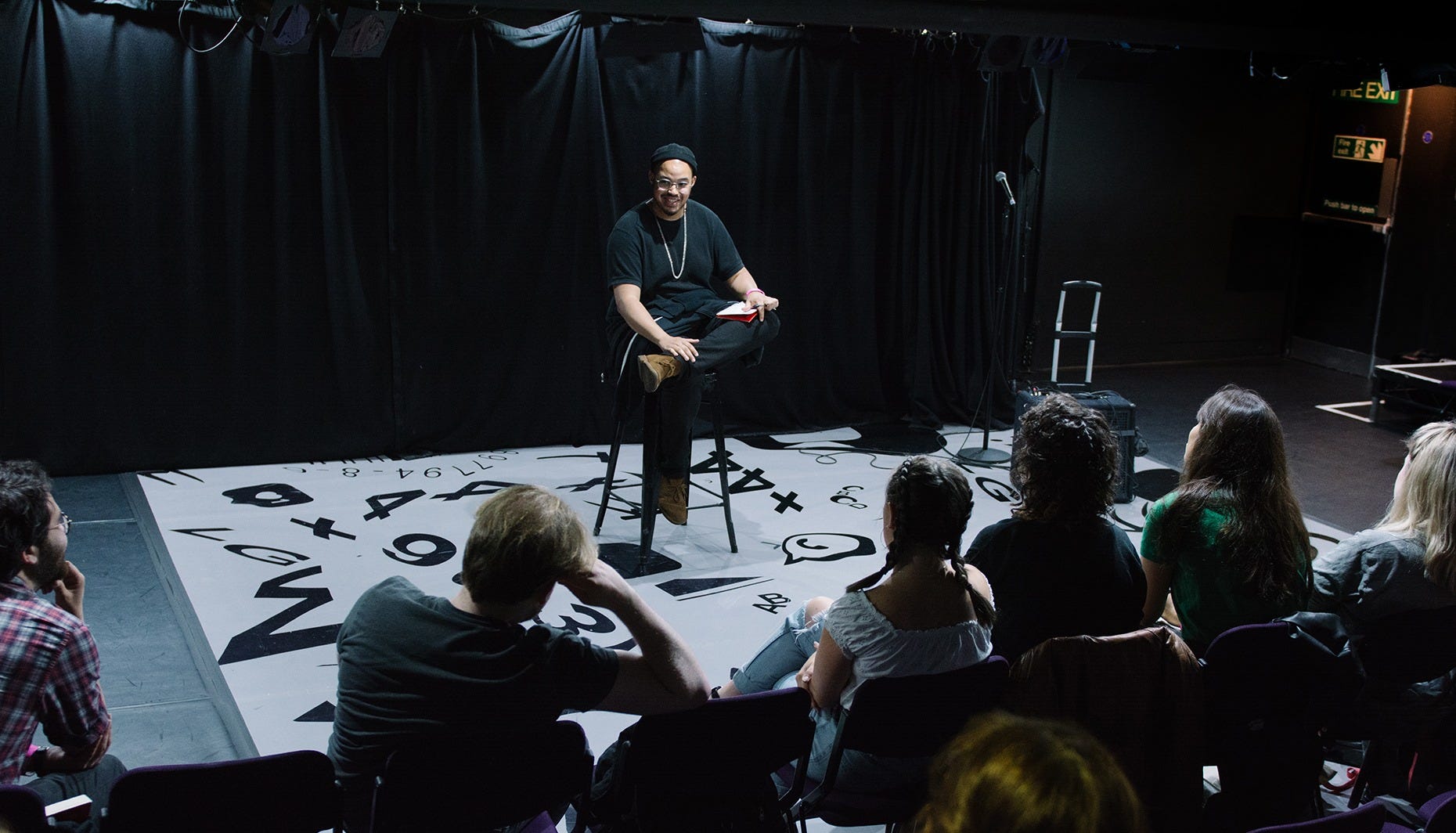
A final reminder that on Tuesday 17 November, the PR industry is taking over Soho Theatre for PR Has Talent.
My co-producer Graham Goodkind, Soho Theatre’s Lee Griffiths and I are bringing together people from across PR and communications to swap their day jobs for the stage and reveal the talents they usually keep hidden.
All proceeds will support Soho Theatre’s new writing and artist development work, including Soho Theatre Labs.
Around 300 emerging artists take part in the Labs each year, developing work across comedy, cabaret, writing and performance. It gives people somewhere to test an idea, develop their craft and sometimes get things wrong before getting them right.
I know how important that space can be. Talent needs somewhere to begin, and new voices need people and institutions willing to invest in them.
Applications are still open at TheProducers@PRHasTalent.co.uk, and tickets will be released next week.
Until next week,
Farzana
Originally featured in Substack