 Back
Back“The human voice: it’s the instrument we all play.” — Julian Treasure
It has been one of those weeks that has taken me from one room to another, from the CIPR Fellows’ Lunch in London to dinner at Balliol College in Oxford, with plenty happening in between.
There has also been no shortage of news for David Yelland and me to get into this week on When it Hits the Fan.
Let’s get into this week’s fan hitters.
When It Hits the Fan
“That’s it, I’m leaving.” After which, there is often the sound of a door slamming. But in this case, it’s more likely to be the sound of a private jet revving its engines.
This week, David Yelland and I look at why some of the UK’s richest people seem so keen to quit the UK. Recent stories include claims that the country is not just on the slide – but has irreversibly slid. What’s really behind the decision to publicly say you’re off – or that you’re thinking of leaving? Who is the message really aimed at – and what are the risks of sticking your head above the parapet?
We also discuss how AI seems to have a PR problem. Literally. OpenAI is still looking to fill its head of comms role after almost a year’s search. When PR becomes the story, it’s never good. And is there any real chance of one person being able to change the reputation of AI – given the catastrophic predictions for it ending humanity?
Also, there are times when it doesn’t hit the fan. But it’s not because of PR brilliance. This week, Ed Sheeran was saved from a potentially huge crisis when his controversial gigs at a stadium in the US had to be cancelled because of the weather. His problems over his stance on the conflict in Gaza have not gone away for good – but David and I look at times from their own careers when a good old slice of luck has saved the day. And then ask, should you ever take the credit for it?
➡️ Listen to this week’s episode
Speaking Up, Staying Silent
The CIPR’s 2026 State of the Profession report is out, and the findings on polarisation make for particularly interesting reading.
52% of practitioners say their organisations are more cautious about taking public positions than they were five years ago. At the same time, 47% say organisations are under greater pressure to comment on controversial issues.
That leaves communicators in a difficult position. Expectations to speak are growing at precisely the moment organisations are becoming more wary of doing so.
One finding is particularly telling. 61% of practitioners said senior leaders taking responsibility for decisions on controversial topics would help them most.
I agree. Whether an organisation speaks, stays silent or takes a position should not become the communications team’s decision simply because the issue is difficult. It is a leadership decision. Our job is to help leaders understand the context, audiences, risks and consequences, and then communicate their decision well.
➡️ Read the CIPR State of the Profession 2026 report
People Trust People
I got chatting with Isabel Berwick about some of the work she has been doing around the creator economy.
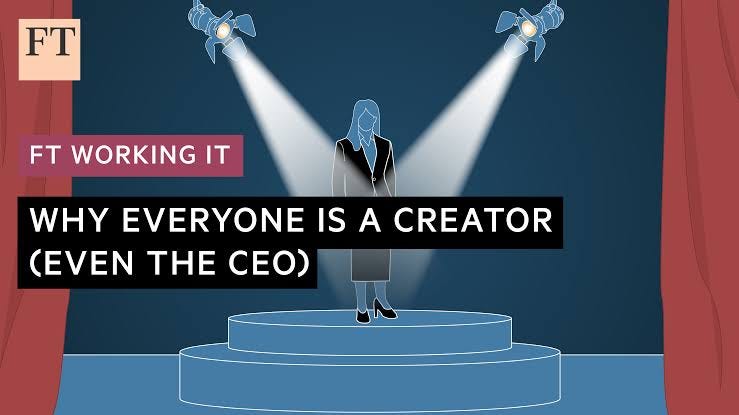
Isabel leads Working It at the Financial Times, and her new film, Why Everyone’s a Creator, Even the CEO, is now out.
The film looks at what more conventional careers can learn from creators, particularly when it comes to building trust and developing a recognisable voice.
One of Isabel’s points is very simple: people trust people. We connect with individuals, not job titles, which helps explain why personal reputation is becoming such an important part of working life.
The film features William Peake, Mary Bekhait, Frankie Bridge, and Daniel Thomas, among others. Mary makes an interesting point too. We may eventually stop talking about a separate “creator economy” altogether. Building a profile, developing a point of view and having a reputation that travels with you are increasingly becoming part of how careers work.
Worth a watch.
➡️ Watch: Why Everyone’s a Creator, Even the CEO
Compound Knowledge
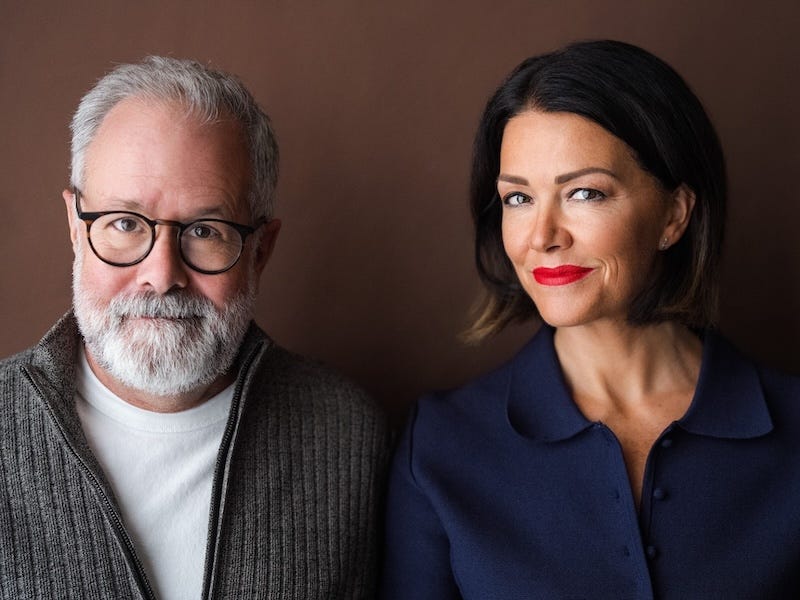
Congratulations to my friend David Gallagher, and to Dave Scott and Mark Hume, who have just launched a new website for Folgate Advisors, now Folgate.
Since launching Folgate, the three have been building an interesting model. It brings together senior communications advisers, strategists and specialists, giving leaders access to individual expertise or teams assembled around a particular challenge.
They call the idea “compound knowledge”: bringing different kinds of experience together to solve increasingly complex communications problems.
They have also just launched The Executive Voice, a new executive communications practice co-led by David Gallagher and former CNN International anchor Hannah Vaughan Jones, helping senior leaders prepare for everything from broadcast interviews and podcasts to town halls and crisis moments.
It is great to see Folgate growing and continuing to develop its offer.
Congratulations to David, Dave and Mark.
➡️ Explore the new Folgate Advisors website
Celebrating Fellowship
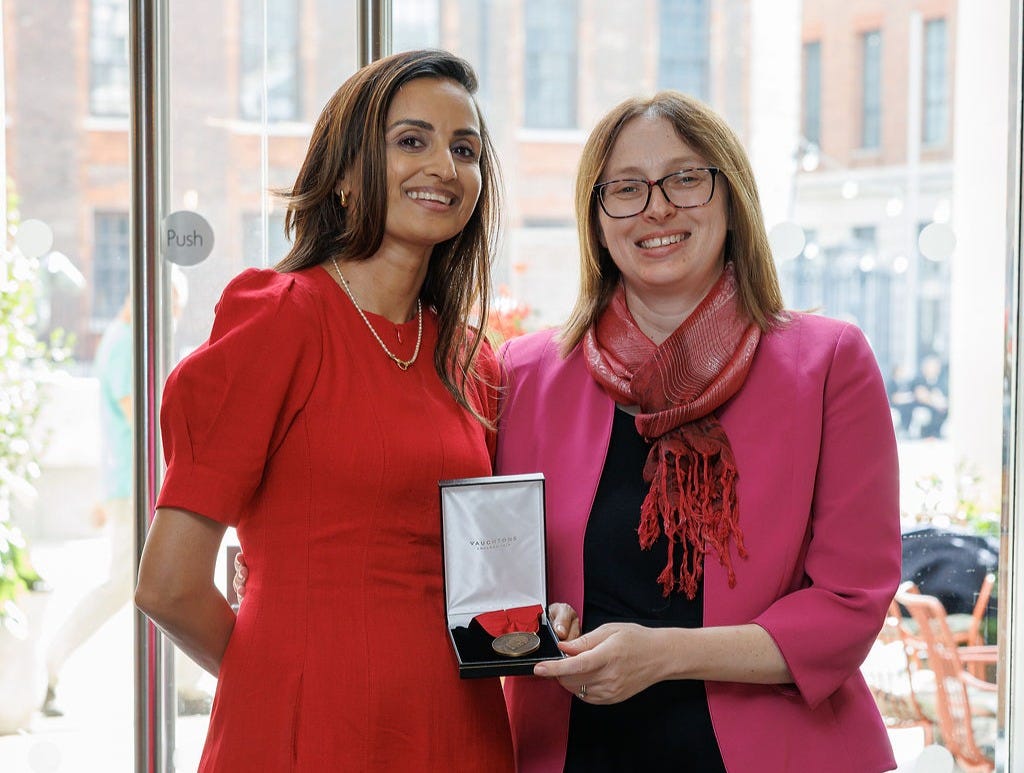
The annual CIPR Fellows’ Lunch is always a lovely opportunity to catch up with people who have given a great deal to the profession over many years.
Fellowship is the CIPR’s highest grade of membership, recognising experienced practitioners who have made a significant contribution to public relations. Bringing so many Fellows together also makes the lunch a chance to celebrate that contribution and the people who continue to give their time and expertise to the Institute.
I also had the pleasure of presenting Samantha Seewoosurrun Chart.PR FCIPR with the Sir Stephen Tallents’ Medal, one of the Institute’s highest honours.
Samantha founded the CIPR’s International Network in Mauritius in 2019 and later chaired the CIPR International Group. She has continued to give an enormous amount of time to the Institute through Council, committees and working groups.
International members are an important part of the CIPR community, and Samantha has spent years making sure they feel genuinely connected to the wider Institute.
Very well deserved. Congratulations, Samantha.
An Oxford Evening
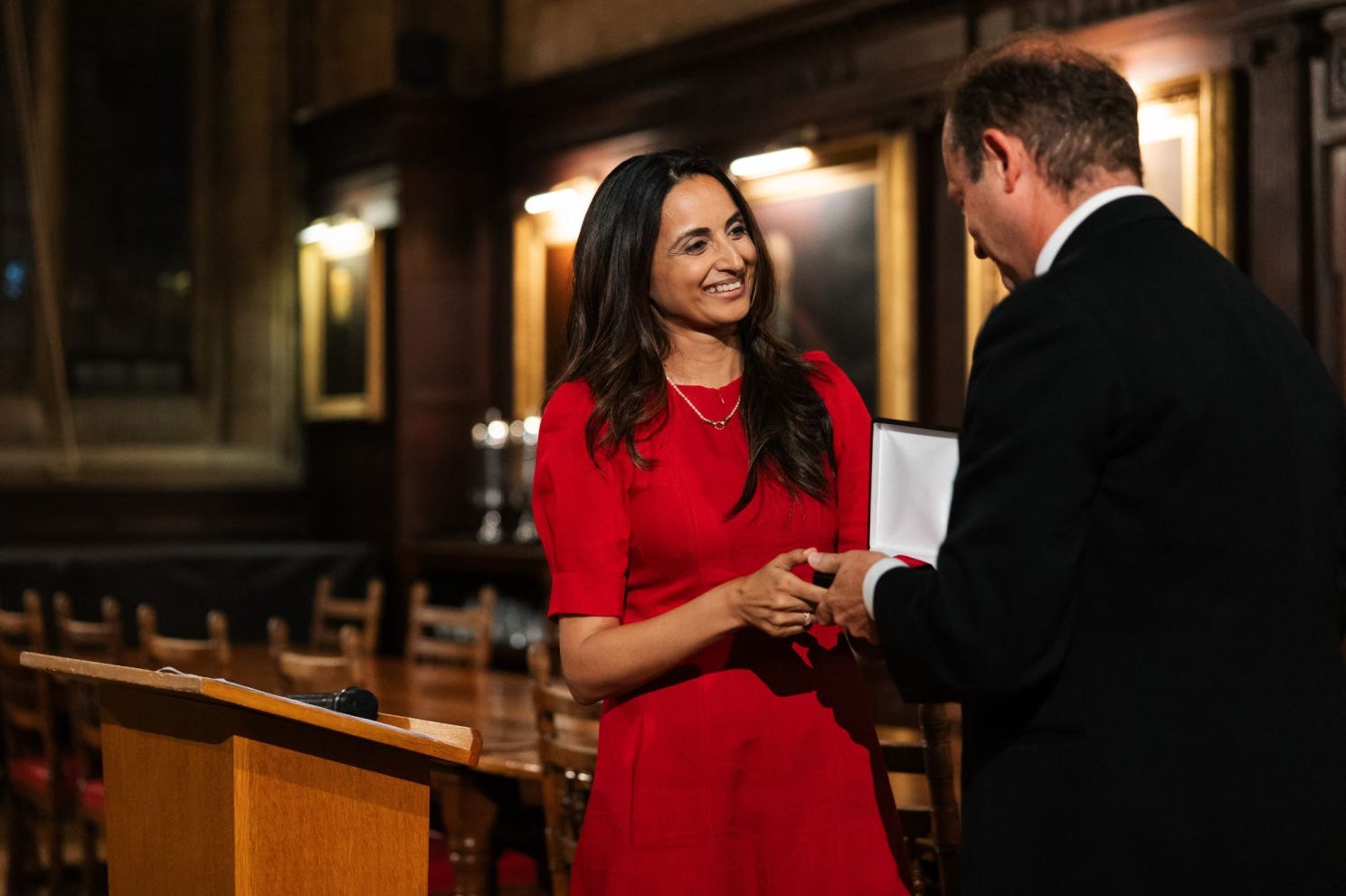
From London, it was straight on to Oxford for the Oxford Debate Union dinner at Balliol College, University of Oxford, bringing together people from across communications, public affairs and academia.
It also gave me the opportunity to finally present Rupert Younger with the 2026 CIPR President’s Medal.
Rupert founded the Oxford University Centre for Corporate Reputation and has spent years making reputation the subject of serious academic research and executive education.
PR is a practical profession, but the best practice also has intellectual rigour behind it. Rupert has done a great deal to bring those two worlds together, bringing corporate affairs practitioners into Oxford while establishing reputation as a serious field of study in its own right.
Congratulations again, Rupert. It was a pleasure to hand over the medal in person.
From Applications to the Stage
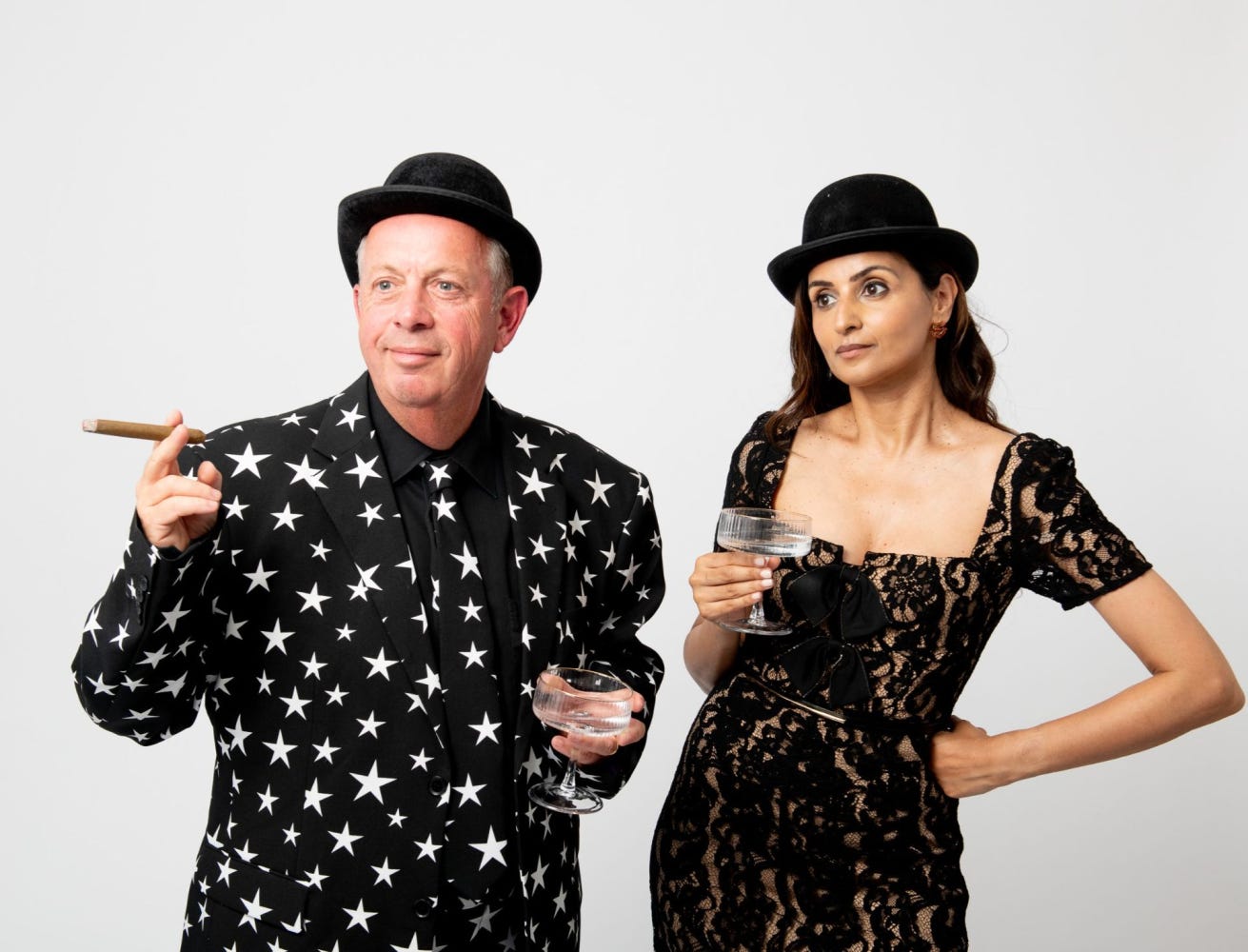
The applications are in, and what a response we had. Graham Goodkind and I have worked through an overwhelming number of entries and have started speaking to the performers who will be joining us on stage at Soho Theatre on Tuesday 17 November.
I have loved discovering just how much talent is hidden across the communications industry. We have had singers, comedians, musicians and all sorts of unexpected talents putting themselves forward. The show is now beginning to take shape.
For everyone who decided performing was absolutely not for them, your role is much easier: come and be part of the audience.
Graham and I created PR Has Talent as a chance for our industry to come together for a genuinely fun night, while supporting the next generation of creative talent. Curzon PR and Frank are supporting the production pro bono, and all net proceeds will go to Soho Theatre’s New Writing Programme.
Now we need a full house to cheer them on.
➡️ Book tickets for PR Has Talent at Soho Theatre
Until next week,
Farzana
Originally featured in Substack