
 Back
BackIn reputation management, optimism is often overrated. The organisations that navigate crises best are rarely the ones that assume everything will go right. They are the ones that spend time imagining what could go wrong, how it might be interpreted and what questions they may be forced to answer when it does.
This week on When It Hits the Fan, David Yelland and I looked at three different stories. Buckingham Palace preparing for an unprecedented disclosure of a sitting Monarch’s personal tax arrangements.
A marketing crisis in South Korea that exposed what happens when AI does the work humans stop doing.
And Elmo, back on the right side of public opinion with a little help from a very well-connected monster.
The King’s Tax and Voluntary Transparency
On Thursday, Buckingham Palace is expected to publish details of King Charles’s personal tax arrangements, an unprecedented disclosure for a British monarch. But the more interesting moment came when Buckingham Palace briefed that the announcement was coming. It is already being presented as a landmark act of transparency. Palace sources have emphasised openness, accountability and a willingness to modernise. Before anyone sees the numbers, the institution is trying to shape how those numbers will be interpreted.
This is what communications professionals call framing, and the Palace has executed it with considerable skill. The pre-announcement took the ‘news’ element out of the story before the story itself appeared, so that by Thursday the public will be primed to interpret a tax figure in a historic and constitutional context rather than a focus solely on the amount of tax. It established the interpretive lens before anyone has seen a number, ensuring the disclosure reads as an act of modernisation rather than an act of compulsion. The language seeded into the weekend briefings, “at the King’s express wishes,” “accountability,” “a new era of transparency,” has already embedded itself into coverage so consistently across outlets that you can identify the briefing almost word for word.
For years, the Royal Family has faced growing scrutiny over wealth and public funding. Younger generations, in particular, tend to view institutions through a different lens from their parents and grandparents. They are often less interested in tradition and more interested in accountability. Against that backdrop, voluntary disclosure feels less like a gesture and more like an acknowledgement of where public expectations are heading.
The assumption behind most transparency initiatives is that disclosure builds trust. Sometimes it does, and sometimes it simply creates demand for more disclosure. Once people know something, they start asking what else they do not know.
That is the tension facing the Palace. The story it wants to tell is one of openness. The question some people may ask instead is whether this disclosure represents the beginning of a broader conversation about royal finances.
The challenge with transparency is that institutions can control the information they release. They cannot control the expectations that release creates.
When AI Cannot Read the Room
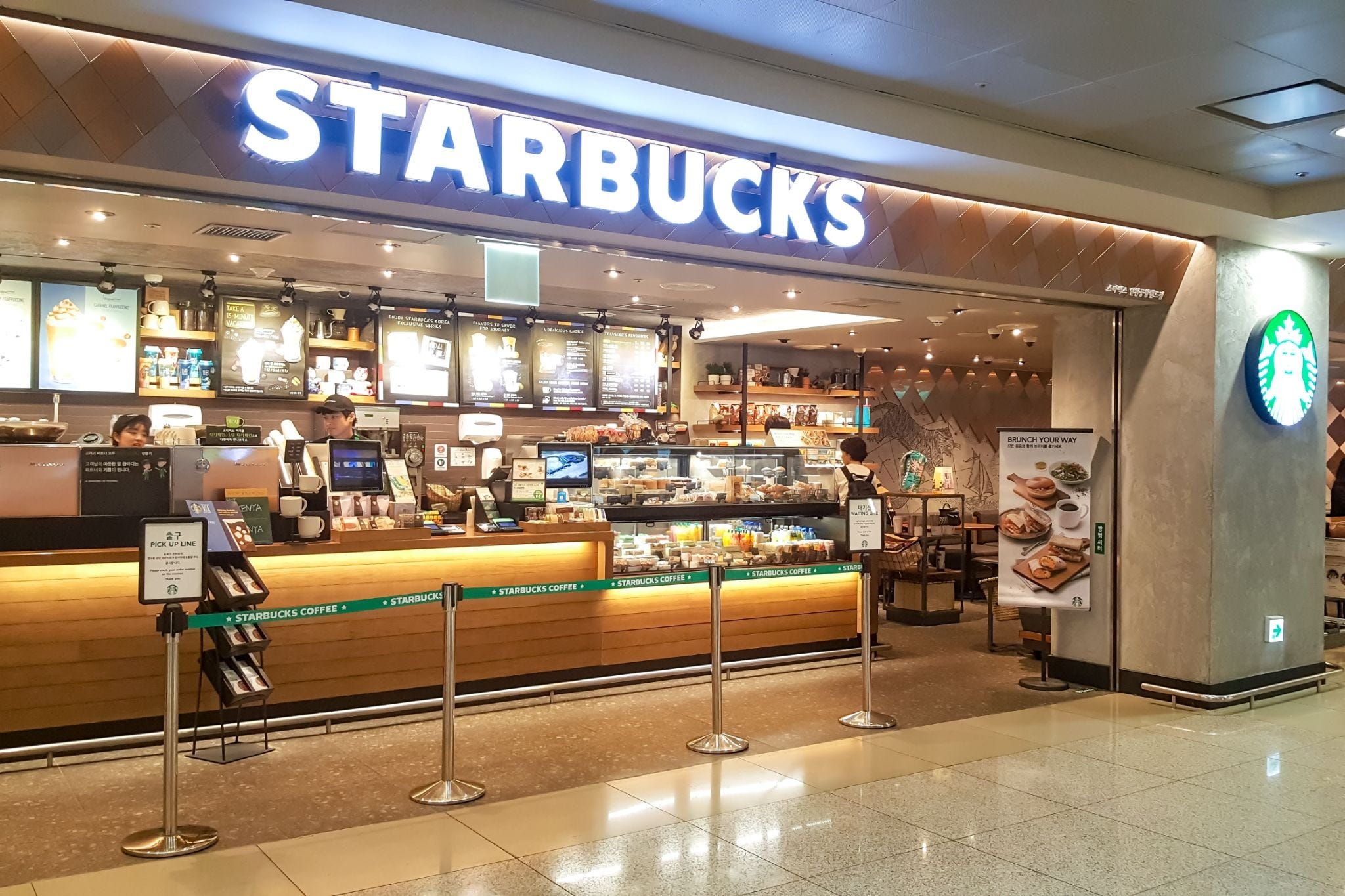
On May 18 this year, Starbucks Korea launched a promotional campaign for a large stainless-steel tumbler called Tank Day. May 18 is the anniversary of the Gwangju uprising, in which hundreds of pro-democracy protesters were killed during a military crackdown involving troops and tanks. The campaign slogan inadvertently echoed a separate atrocity from 1987. Within hours the launch had become a national scandal.
The internal investigation that followed produced a finding that should concern every marketing and communications team operating anywhere in the world. The employees had used an AI tool for campaign suggestions. The May 18 anniversary, according to the company’s own inquiry, had never crossed their minds. The AI did not flag it either. Seven people participated in a four-stage approval process. Several signed off without opening the attached design file.
This is not primarily a story about cultural insensitivity, though it is certainly that. It is a story about what happens when organisations treat AI-generated work as finished work. AI produces output that is superficially coherent and professional, and that surface confidence creates a cognitive trap. The work looks reviewed, so it does not receive the scrutiny a rougher human draft would attract. Cultural trauma lives in the hyper-localised, highly sensitive spaces that no pattern recognition system is built to catch effectively yet. The approval chain moves fast. Nobody opens the attachment, and then the campaign goes live on one of the most sensitive dates in modern Korean history.
Another cultural context failure played out at Lululemon in China, where a cinematic campaign celebrating Chinese culture at the Great Wall featured a Japanese drum. Given the deep historical wounds between the two countries, the response was swift and severe. Lululemon’s apology statement, which attributed the error to “limitations in our professional knowledge,” has since entered the small canon of corporate phrases that revealed more than the company probably intended.
Back to the Starbucks story, the head of Starbucks Korea was dismissed. The chairman of the parent company appeared on national television, bowed deeply three times and said he would make no excuses. Every one of the two thousand stores across South Korea was closed for a session of mandatory historical and cultural sensitivity training at an estimated cost of over a million dollars. The response was made deliberately visible and deliberately costly, because words alone were never going to be enough, and the people making decisions in Seoul understood that.
Elmo’s Redemption Arc

A few weeks ago, Elmo posted a message wishing both teams well in the NBA Finals. He is a New Yorker. The New York Knicks were playing and the Knicks fandom cried traitor. The negative response was disproportionate yet entirely predictable.
The first attempted comeback was a pun. It did not land.
“KNICKS that last message! Elmo didn’t mean to SPUR you on!”
But then Cookie Monster intervened, unprompted, with a line that did the job no statement from Elmo himself could have managed:
“Elmo teach me not to eat trophy. Me teach Elmo to pick a team.”
Third-party endorsement is one of the most powerful instruments in reputation recovery. Cookie Monster did not appear to be doing Elmo a favour. He appeared to be telling the truth with affection, and the public responded well.
What followed was more intentional. Elmo appeared at the Knicks ticker tape parade holding a “Forgive Me Please“ sign. He joined Cookie Monster on Entertainment Tonight. And when the World Cup arrived, he backed Team USA, clearly and without the hedging that had caused the original problem, adding that he still loved everybody, which is entirely on brand, and this time the audience found it charming rather than evasive because it came after he had already picked a side.
The public acknowledgment of the mistake came first, then the visible change in behaviour, then the warmth was allowed back in. When those elements arrive in the right order, with the right people vouching for you along the way, recovery can happen surprisingly quickly.
Let’s give our furry friend a pat on the back!
Originally featured in Substack