 Back
BackThe goal in most PR crises is not to win everyone back. It is to find the people still willing to listen, earn their attention, and trust in truth. Truth travels further than any carefully managed narrative.
This week on When It Hits the Fan, David Yelland and I looked at three very different stories. Hunter Biden’s unlikely resurgence on X, a platform curated for conflict. The race between AI giants to sell the world the most expensive story in financial history. And the backlash that found Sesame Street’s Elmo when he tried to keep everyone happy at once.
Leaving Your Critics Nowhere to Go
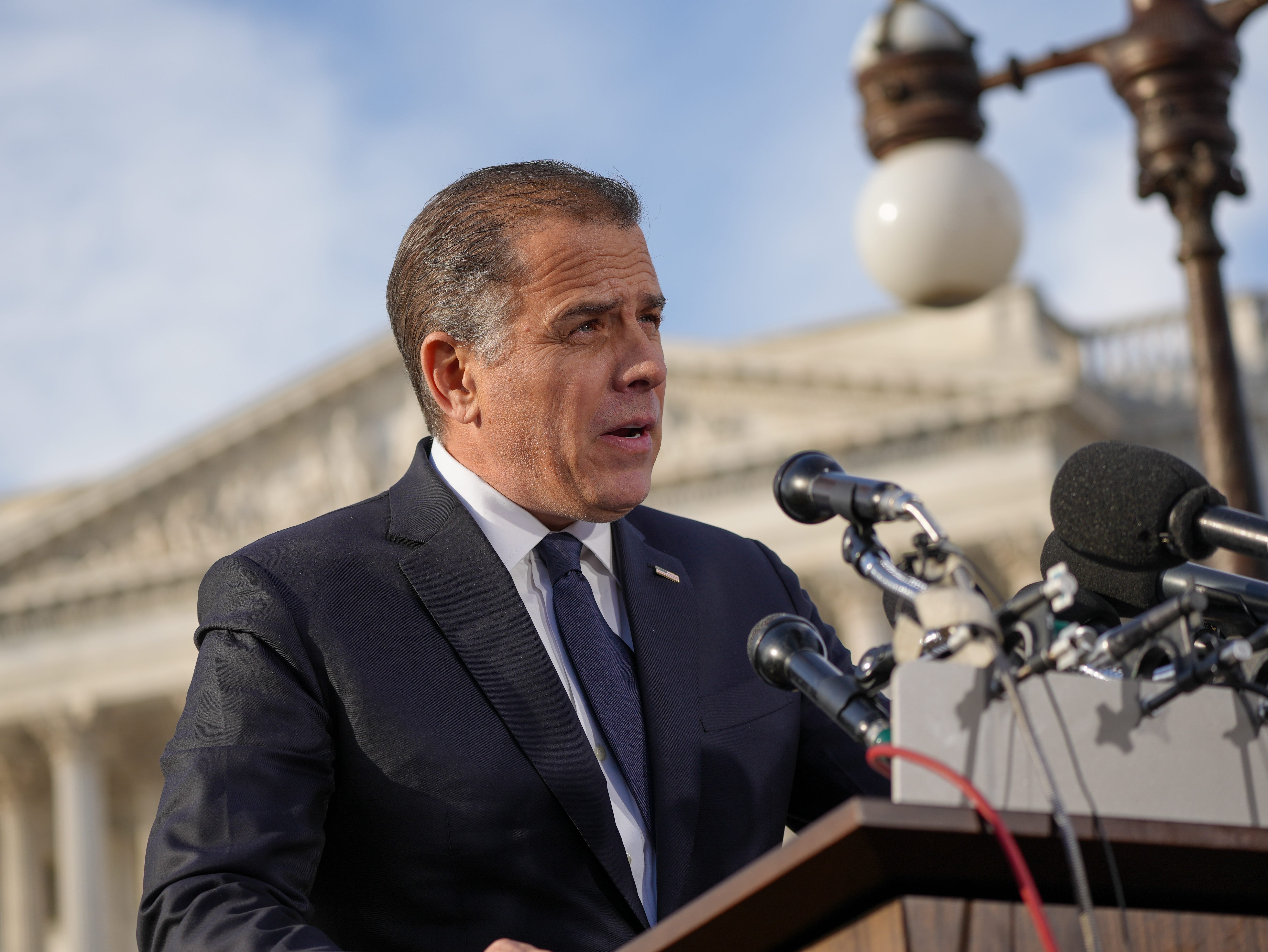
For years, Hunter Biden looked like the definition of irreparable PR damage. He had been convicted of felony charges, carried the weight of addiction and public humiliation, and received a presidential pardon that brought its own controversy. If you had asked most PR professionals whether his reputation was recoverable, the honest answer would have been no.
Which is what makes what has happened over the past few weeks so genuinely fascinating to watch.
There was no visible crisis management operation. No carefully managed interviews with sympathetic journalists, no ghost-written op-eds quietly positioning his story. Instead, he walked directly into the lion’s den.
He resurfaced on X, well on his way to amassing nearly a million followers with radical honesty deployed with wit on a platform designed for conflict. He sat for a two-hour podcast with Candace Owens, who had spent years calling him a crackhead on her show with millions of viewers. He did not deflect or reframe. He confirmed it. “The truth is, I was a crackhead,” he said.
Owens apologised to him, on air, without being asked. She said she had never considered that behind the caricature was a person at the worst stage of his life, and that making fun of him for it was gross.
In PR, an apology from your enemy is the closest thing to a miracle. It almost never happens. And it does not happen because someone managed the situation well. It happens because someone told the truth so completely that there was nothing left to attack.
In communications, we often talk about authenticity. The truth is that genuine authenticity is rare because it requires vulnerability. What Hunter Biden demonstrated was that radical honesty can sometimes be more persuasive than any reputation management strategy.
When people feel they are hearing the truth without calculation behind it, the critical gaze softens. Truth is still enough to stop people in their tracks.
The AI Billionaires Selling the Future

This week, SpaceX will IPO on the Nasdaq, marking the start of what may be the most significant sequence of IPOs in financial history. OpenAI and Anthropic are preparing to follow. Together, these three companies are targeting combined valuations that approach the GDP of France.
What is being sold here is not, primarily, a financial product. It is a story.
IPO communications are among the most sophisticated forms of PR in existence, and they work on a simple but powerful principle: investors do not buy companies on the basis of what they earn today. They buy on the basis of what they believe the company will become. The job of the PR team, working alongside bankers and lawyers for years before a listing, is to make that future feel not just plausible but inevitable.
Each company has staked out distinct ground. SpaceX is selling the conquest of space and the dream of humanity becoming multi-planetary. OpenAI is selling the idea of being the company that built the technology that changed everything. Anthropic is taking a different approach, positioning itself as the responsible path through the AI transition, treating safety as a competitive advantage rather than a constraint. The investor is being asked to choose which version of the future they find most convincing.
What makes this moment unusual is the gap between narrative and numbers. SpaceX lost nearly five billion dollars last year. None of these companies are profitable in the conventional sense. They are asking investors to price not what exists but what they promise to build. That is a PR exercise as much as a financial one, and the communications teams behind these listings understand that the story has to hold not just on listing day, but through every quarterly earnings call, every regulatory challenge and every moment of public scrutiny that follows.
Elmo’s Expensive Lesson in Loyalty
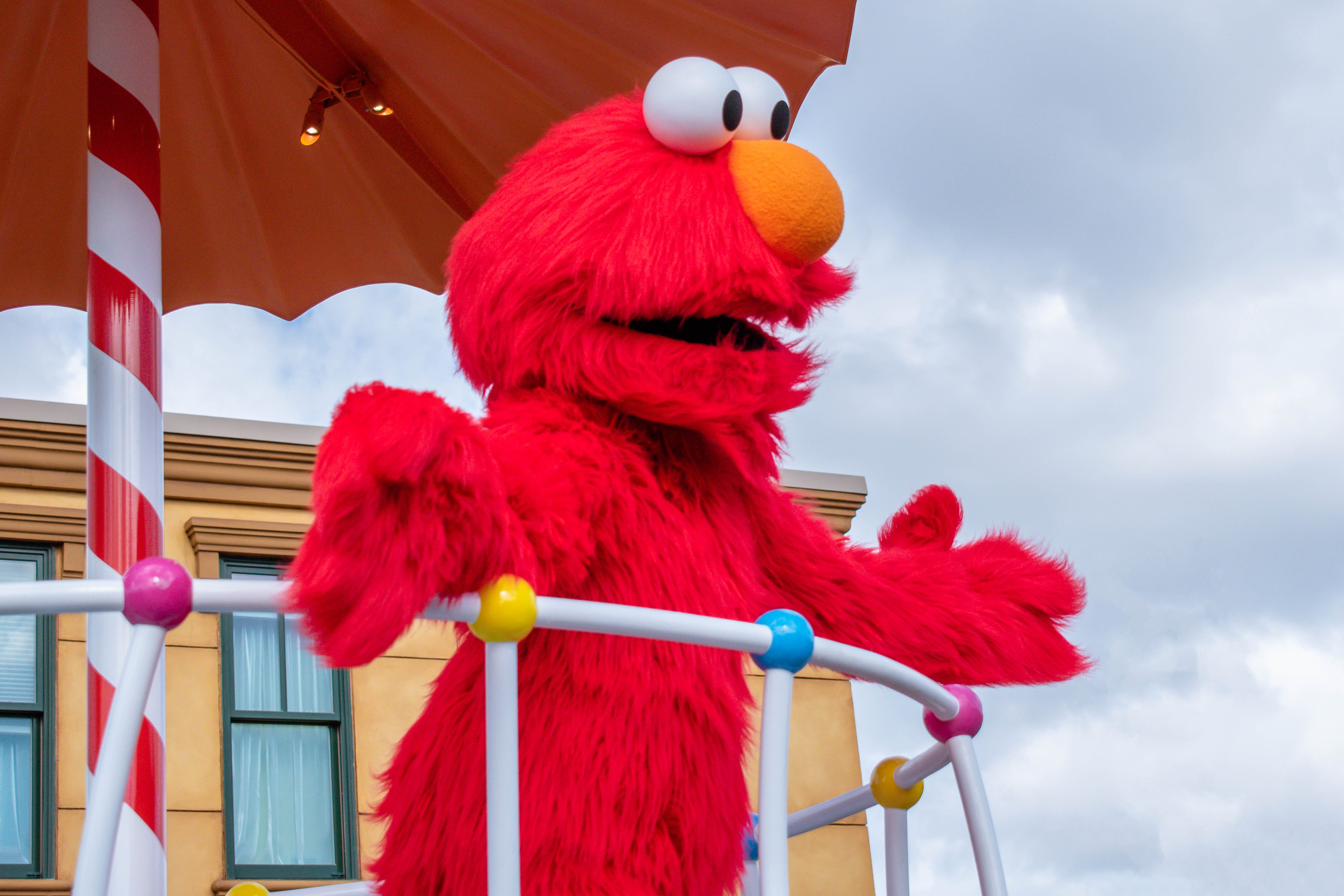
The New York Knicks are in the NBA Finals for the first time in over fifty years. It is, for New Yorkers, an occasion of near-religious significance. Into this charged moment, Sesame Street’s Elmo posted on X: “Elmo hopes both teams have fun.”
The response was, by any measure, disproportionate. And also entirely predictable.
Elmo is from Queens. Sesame Street is set in New York. The expectation of loyalty was not irrational. What happened instead felt like a character who had spent decades representing warmth and community suddenly treating his own neighbourhood as a marketing risk to be managed.
The attempted recovery made it worse. A pun about the Knicks and the Spurs. The internet was not charmed.
In a polarised world, the instinct towards both-siderism reads not as inclusive but as evasive. Audiences are sophisticated enough to recognise the difference between genuine neutrality and studied fence-sitting dressed up as diplomacy. On social media in particular, where identity and tribal loyalty are currencies, being pointedly non-committal in a moment that calls for something real tends to produce more controversy than taking a side would have done.
As the football World Cup approaches, politicians and public figures around the world will face versions of this same question. The Welsh Secretary of State, asked on live radio who she was supporting, said she would be neutral and support everybody. With England and Scotland both in the tournament, it is a genuine minefield. But audiences tend to forgive a partisan answer offered with good humour far more readily than they forgive the feeling that someone is calculating rather than feeling.
Some positions, once taken, are difficult to recover from. Especially when everyone already knew what the right answer was.
Listen to BBC Radio 4’s When It Hits The Fan on BBC Radio 4 every Wednesday at 4 pm and Thursday at 8 pm. Also available on BBC Sounds, Apple Podcasts, and Spotify.
Originally featured in Substack